Dance Is Not a Talent. It Is a Human Skill.
Many people believe dancing is a gift you are born with. It is not. Dance is a human skill, closer to a language, and anyone can learn it with practice.
"I'm not talented enough to dance."
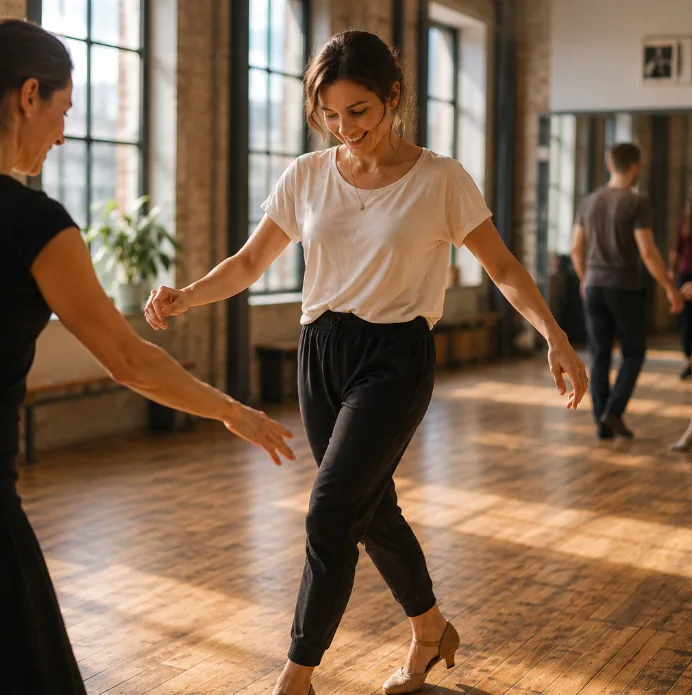
It is one of the most common reasons people give for never stepping onto a dance floor. Some believe dancing is a gift, something a person is simply born with. They watch experienced dancers move effortlessly and assume those people have a natural ability they could never develop.
But perhaps we have been looking at dance the wrong way. Anyone can learn to dance. Dance is not a talent. It is a human skill.
Dance was always part of being human
Long before dance became performance, competition or entertainment, it was part of everyday human life. Across cultures and throughout history, people danced to celebrate, connect, tell stories, express emotions and share important moments together.
Dance was not reserved for the talented. It was part of being human. We explore this more in Why Humans Have Always Danced.
Dance is more like a language
In many ways, dance is less like a talent and more like a language.
No one is born knowing how to speak. No one is born knowing how to read, write, drive a car or play an instrument. These skills develop through repetition, experience and practice. Dancing follows the same principle. Like a language, it has a basic vocabulary (steps), grammar (timing and structure) and conversation (dancing with a partner), and each can be learned one piece at a time.
Rhythm is already familiar
What usually prevents adults from learning is not a lack of talent. It is a disconnection from something that is actually natural: rhythm, movement and the freedom to let the body respond to music.
Rhythm is not foreign to us. It exists in the heartbeat, in breathing, in walking, in the cycles and patterns that surround us every day. People who say "I have no rhythm" almost always find it within the first few lessons, once someone shows them what to listen for.
Adults learn to control before they learn to let go
As adults, many of us become disconnected from that natural awareness. We spend years sitting behind desks, following schedules, meeting responsibilities and becoming increasingly conscious of how we appear to others. Movement becomes functional rather than expressive. We learn to control ourselves rather than simply experience the moment.
Children rarely worry about whether they are dancing correctly. They hear music and move. Adults often do the opposite. They hear music and immediately begin evaluating themselves:
- Am I doing it right?
- Do I look awkward?
- What will people think?
This is one of the key differences we describe in Why Adults Learn Ballroom Dancing Differently Than Children.
Learning dance is a process of reconnection
The challenge is rarely physical. More often, it is learning to trust a process that feels unfamiliar.
When people begin dancing, they are not creating something that never existed. They are reconnecting with abilities that have always been there: coordination, rhythm, movement and human connection. Like any skill, these abilities become stronger with practice.
The dancers who eventually look graceful and comfortable are not necessarily the most talented. More often, they are the people who allowed themselves to learn without demanding perfection from the beginning. Over time, movement becomes more natural, the music becomes easier to understand, and the body responds with less effort and more trust.
How to start if you think you can't dance
- Start with a slower dance. Rumba and Waltz give you time to feel the music instead of chasing it.
- Learn in a setting that feels safe. If being watched makes you tense, start with private lessons. If you enjoy company, try our beginner Latin group classes.
- Give it more than one lesson. The first lesson is about getting comfortable. Most people notice real change by the third or fourth.
- Measure progress by comfort, not perfection. If you feel more at ease than last week, you are improving.
Final thoughts
Perhaps that is why dance remains meaningful at every stage of life. It reminds us of something we often forget: movement is natural, rhythm is ours, and dancing was never meant for a fortunate few.
It is a skill that can be learned, enjoyed and shared by anyone willing to take the first step. When you are ready, start with a $59 introductory coaching session with Jelena Stojkovic at our Addison studio, or browse the dance styles we teach.
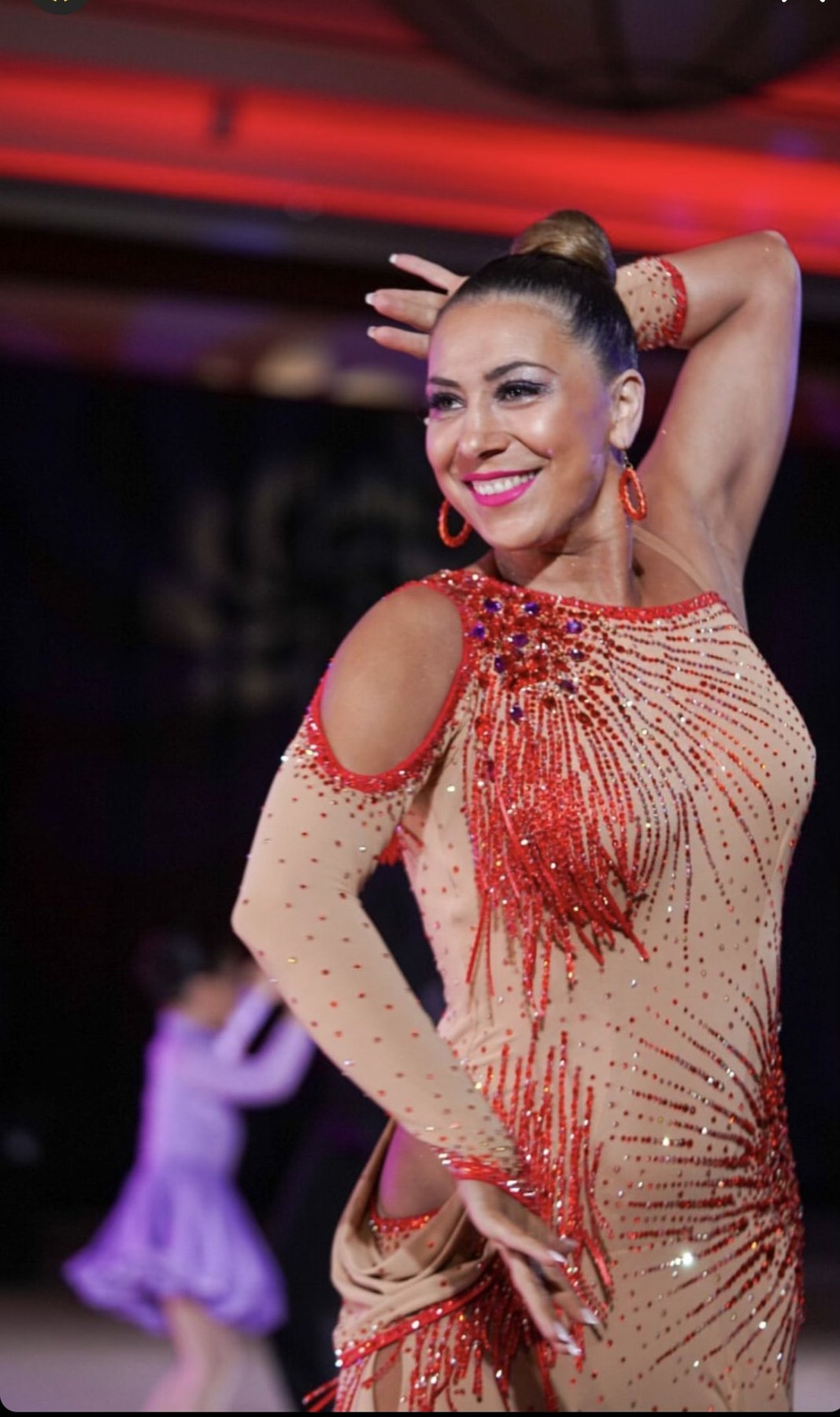
Jelena Stojkovic
Founder of AscenDance Studio. World Cup Champion, 14-time National Champion, International Winner, and Top Female Teacher in the USA nine years in a row, with more than 30 years in dance.
About Jelena →Book your first lesson
Private lessons in Addison, beginner Latin group classes in Dallas, and wedding first dance preparation.
14833 Inwood Rd
Addison, TX 75001
By appointment only
18484 Preston Rd #201
Dallas, TX 75252