
How Ballroom Dancing Builds Confidence
Ballroom dancing turns confidence into something you can practice: posture, presence, and a healthier relationship with mistakes that carries beyond the dance floor.
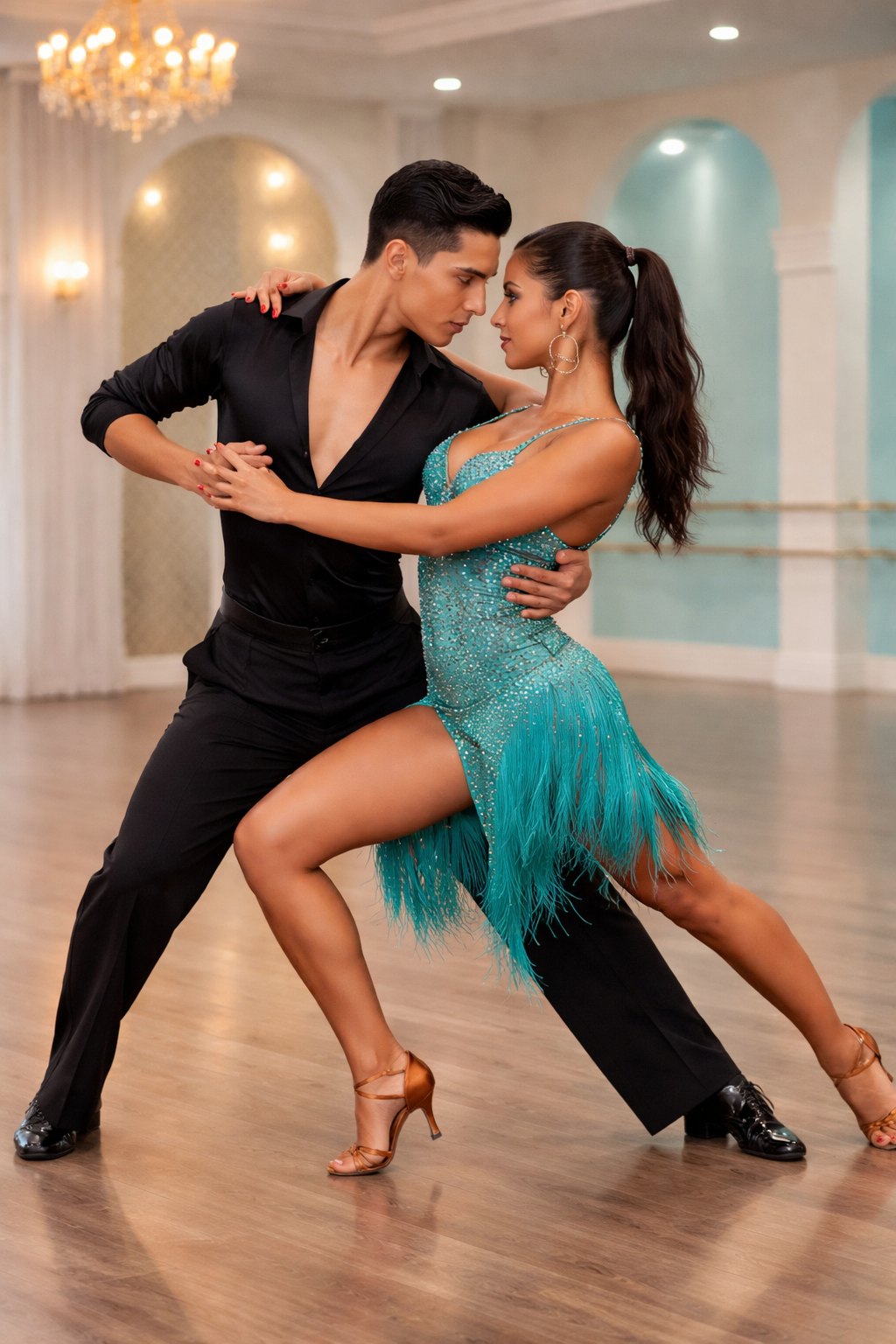
Confidence is one of the most common reasons adults decide to start ballroom dancing. Not always because they say it directly. Sometimes they say:
- "I feel awkward."
- "I don't know what to do with my body."
- "I get nervous when people are watching."
What they are describing is confidence. Ballroom dancing helps because it turns confidence into something you can actually practice. You do not just think about standing taller, moving with ease or feeling more present. You practice it, week after week, until the body learns what the mind is still trying to believe.
Confidence begins before the first step
Many people assume confidence comes first and action comes second. In reality, it is usually the opposite. Most dancers do not walk into their first lesson feeling confident. They become confident because they keep showing up, keep learning, and keep discovering they are capable of more than they expected.
Confidence is rarely something we find. It is something we build.
The body learns first
Confidence does not appear because someone tells you to believe in yourself. It grows when your body experiences proof.
The first time a student holds good posture without feeling stiff, finds the rhythm without panicking, or moves with a partner without overthinking every step, something changes. The mind starts receiving a new message: maybe I can do this.
From overthinking to presence
Many adults begin dance lessons in their head. They count, analyze, correct themselves and worry about how they look. That is normal. Over time, dancing teaches a different kind of awareness. Instead of thinking about every movement, students begin to feel timing, direction, connection and space.
That shift is powerful. It is the moment dancing stops feeling like a task and starts becoming an experience. It is also why we recommend starting with slower dances such as Rumba or Waltz, where there is time to feel the movement instead of chasing it.
Carrying yourself differently
One of the most visible changes in ballroom dancing is posture. But posture is not only about standing straight. It is about presence.
When students learn to use their frame, hold their center and move with intention, they often begin to carry themselves differently outside the studio as well. They do not just look more confident. They feel more at home in their own body.
Learning to be comfortable being seen
For many adults, the challenge is not learning the steps. The challenge is being seen while learning them.
As children, we are expected to be beginners. As adults, we expect ourselves to already know what we are doing. We become uncomfortable making mistakes, looking uncertain, or not performing well immediately.
Dancing gently challenges that mindset. Every lesson becomes a chance to let go of perfection and replace it with curiosity. Instead of asking "Am I doing this perfectly?", students begin asking "What am I learning?" That shift alone can be freeing.
If being watched is what holds you back, private lessons are a comfortable place to start. You learn one-on-one, at your pace, before you ever dance in front of a group.
A different relationship with mistakes
One of the most valuable lessons dancing teaches is that mistakes are not failures. They are information. A missed step, a lost rhythm or a moment of confusion simply shows what needs attention next.
The students who grow the most are rarely the ones who never make mistakes. They are the ones who stop being afraid of them. Over time, mistakes lose their power. They become part of the process instead of proof of inadequacy, and with that comes a quieter, more lasting kind of confidence, built on experience rather than approval.
Where this confidence shows up
- At weddings and events: you know what to do when the music starts, instead of hoping no one asks you to dance. Couples preparing a first dance often tell us this is the biggest change. See our wedding dance lessons.
- At work and in public: better posture and calmer presence carry into meetings, presentations and social situations.
- In children and teens: young dancers learn to hold themselves with poise and to keep going after a mistake. Our youth ballroom program is built around exactly that.
Final thoughts
Ballroom dancing does not teach confidence by talking about it. It teaches confidence by creating experiences that let it grow naturally. Through movement, rhythm, connection and repetition, students begin to trust themselves a little more than before. Not because they became perfect, but because they discovered they were capable of learning, adapting and growing.
That is why the confidence gained through dancing reaches far beyond the dance floor. It was never built on performance. It was built on experience.
Not sure where to begin? Read Private vs Group Dance Lessons, or start with a $59 introductory coaching session with Jelena Stojkovic at our Addison studio.
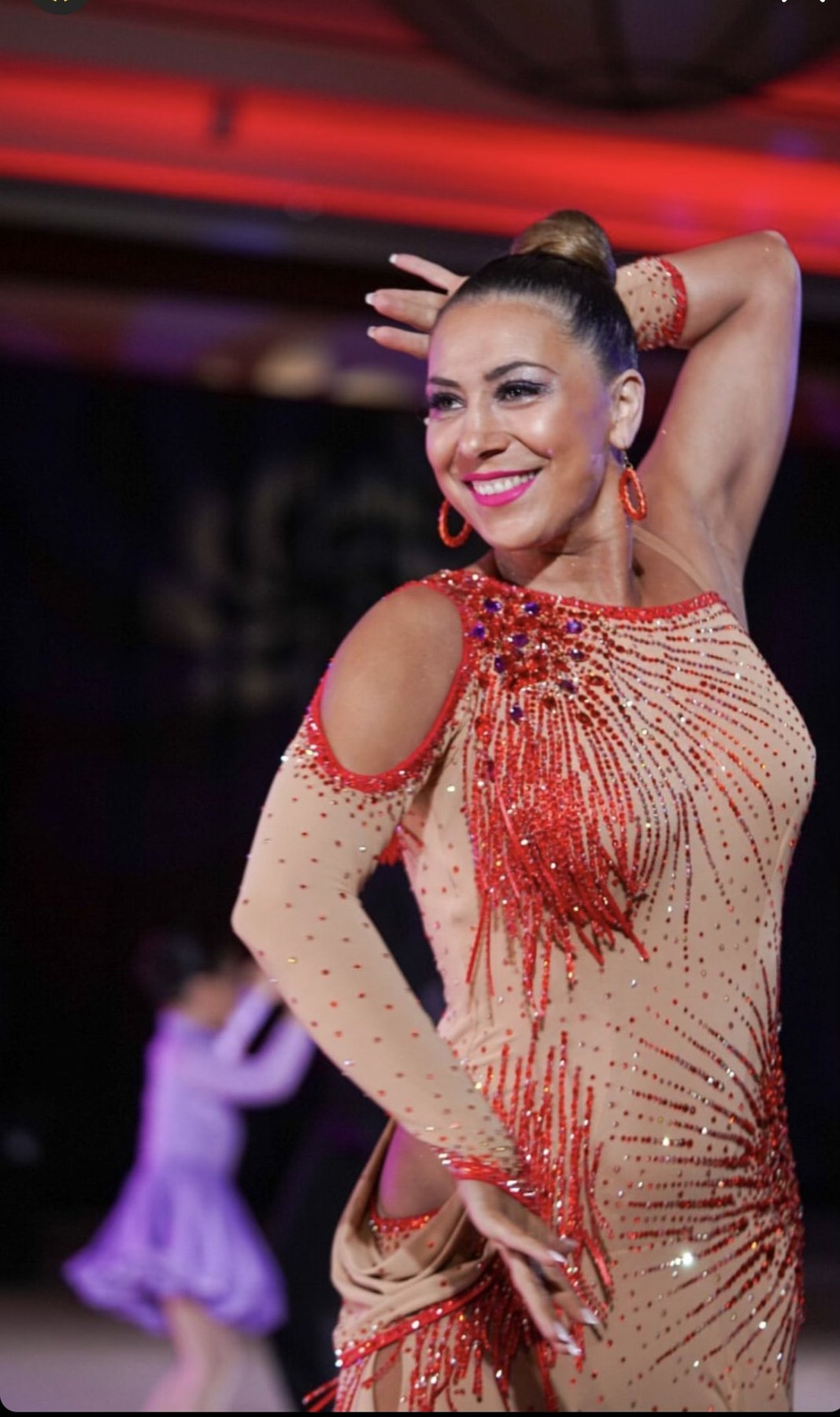
Jelena Stojkovic
Founder of AscenDance Studio. World Cup Champion, 14-time National Champion, International Winner, and Top Female Teacher in the USA nine years in a row, with more than 30 years in dance.
About Jelena →Book your first lesson
Private lessons in Addison, beginner Latin group classes in Dallas, and wedding first dance preparation.
14833 Inwood Rd
Addison, TX 75001
By appointment only
18484 Preston Rd #201
Dallas, TX 75252