
Quinceañera Choreography 101: Planning Your Dance
How to plan a quinceañera waltz, father-daughter dance and surprise dance: when to start, how many rehearsals you need, and how to make it work with a full court.
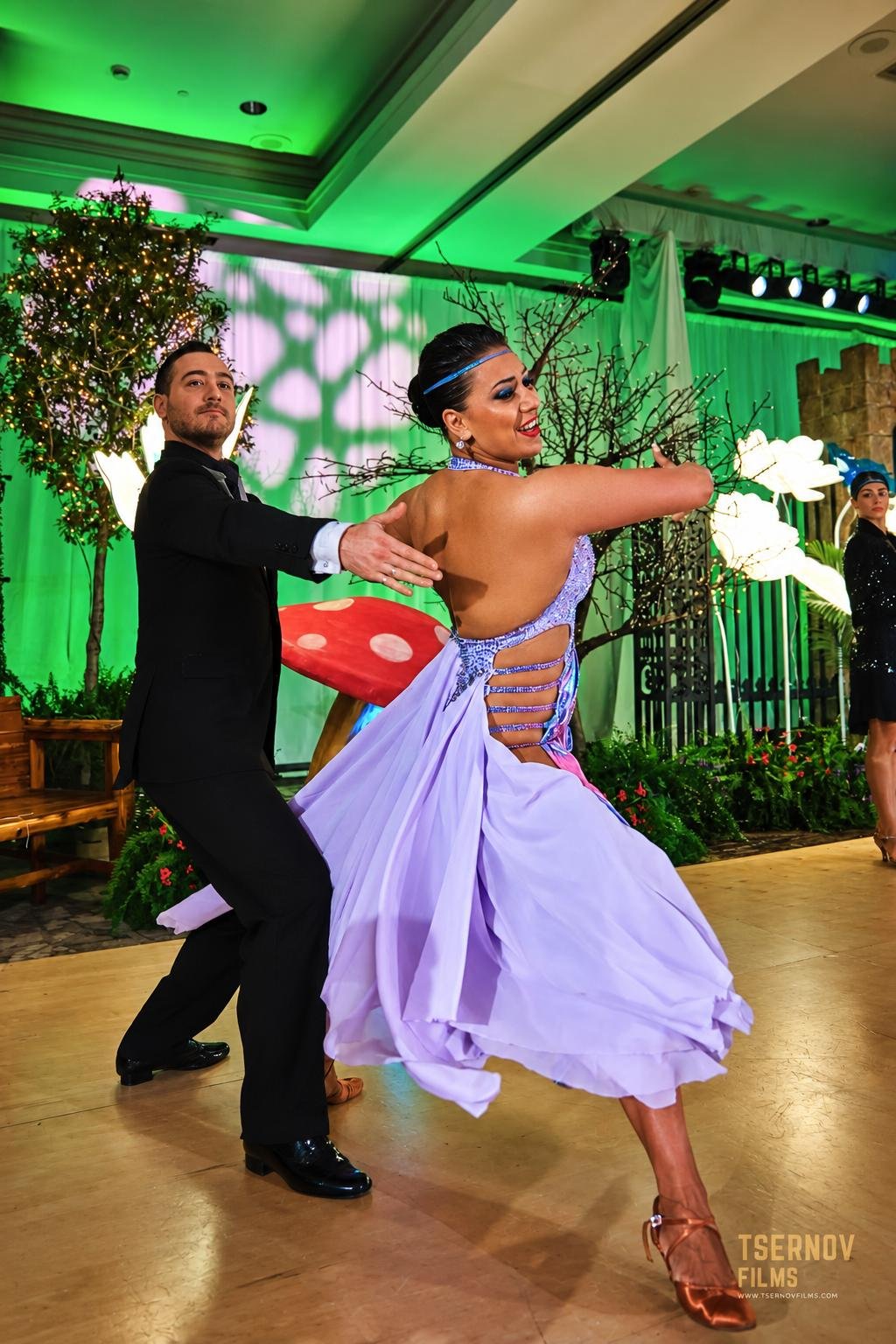
A quinceañera is one of the few celebrations where the dancing is the centerpiece, not the background. Guests remember the entrance, the waltz with her father, and the surprise dance long after they forget the menu. That is a lot of pressure on a fifteen-year-old who may never have taken a dance lesson.
The good news: a beautiful quinceañera dance does not require dance experience. It requires a plan, enough time, and choreography built around the people actually dancing it. This guide covers how the dances are usually structured, how far ahead to start, and how to make rehearsals work for a busy family and a full court.
The dances at a typical quinceañera
Every family does it a little differently, but most celebrations include some version of these:
- The grand entrance. The quinceañera and her court enter the reception. Usually short, simple and built for photos.
- The waltz (el vals). The traditional formal dance, often first with her father, then with the court or chambelanes. This is the emotional heart of the evening.
- The father-daughter dance. Sometimes part of the waltz, sometimes its own song. Many families choose something slower and personal.
- The surprise dance (baile sorpresa). A faster, modern routine with the court, often a mix of songs. This is where the energy comes in.
You do not need all four. Some families combine the waltz and the father-daughter dance into one song. Others skip the surprise dance entirely. Decide what matters to your family first, then plan rehearsal time around it.
How far ahead to start
Start rehearsals three to four months before the celebration if you have a full court and a surprise dance. Two months is workable for the waltz alone. The difference is not the steps; it is scheduling.
The quinceañera herself learns quickly. The challenge is getting seven to fourteen teenagers in the same room at the same time, every week, around school, sports and jobs. Missed rehearsals are the single biggest reason routines are still shaky a week before the party. More calendar time gives you room to absorb those absences.
How many rehearsals you need
As a rough guide for planning:
- Waltz with father only: 3 to 5 private lessons.
- Waltz with full court: 6 to 10 group rehearsals, plus 1 or 2 private lessons for the quinceañera and her chambelán de honor.
- Surprise dance: 6 to 10 rehearsals, depending on length and how many songs are in the mix.
Rehearsals usually run 60 to 90 minutes. Shorter than that and the court barely warms up; longer and teenagers lose focus. One focused rehearsal a week beats two distracted ones.
Building choreography around real people
The most common mistake is choosing a routine first and then trying to fit the court into it. It works much better the other way around.
Before choreographing, a good instructor will ask:
- How many couples are in the court, and are the numbers even?
- How big is the reception floor? A routine built for a ballroom will not fit a small hall.
- Will the quinceañera wear a full ball gown? A large skirt changes turns, spacing and how close the chambelanes can stand.
- Does anyone in the court already dance? Does anyone have two left feet and need extra help?
The waltz should look elegant, not difficult. Simple box steps, promenades, a few well-timed turns and clean formations look far better than complex patterns half the court cannot keep together.
The father-daughter waltz
For many families this is the moment that matters most. Fathers often arrive at the first lesson nervous and convinced they cannot dance. That is normal and fixable.
We keep the father's part simple: a clear frame, a basic waltz step, and one or two turns he leads with confidence. A few private lessons, just the two of them, usually make the biggest difference. It also gives father and daughter a few quiet hours together during a hectic planning season, which many families say they value as much as the dance itself.
Need a song? Our list of 40 father-daughter dance songs includes several that work beautifully as a waltz.
Practicing the dress
Practice in the actual shoes as early as possible, and in a practice skirt with similar volume to the gown. A full skirt hides the feet, catches on the chambelán's legs, and changes how fast she can turn. If she rehearses for three months in jeans and wears the gown for the first time at the party, the routine will feel unfamiliar.
For more on what to rehearse in, see What to Wear to Ballroom Practice.
Making rehearsals actually work
- Set the rehearsal schedule before the first lesson, and share it with every family in the court.
- Record the routine after each rehearsal so anyone who misses can catch up at home.
- Name a court captain, often the chambelán de honor, who knows the whole routine and can help others.
- Hold a full run-through one to two weeks before the celebration, in costume if possible.
- Lock the music early. Changing songs late means re-choreographing, and that is where routines fall apart.
Private lessons, group rehearsals, or both
Most families end up using both. Group rehearsals teach formations and timing to the whole court. Private lessons give the quinceañera, her father and her chambelán de honor the extra polish that makes the key moments look effortless.
If the quinceañera has never danced before, starting with one or two private lessons before the court joins gives her a head start. She walks into the first group rehearsal already comfortable, and the court follows her lead.
Final thoughts
A quinceañera dance is not about perfect technique. It is about a young woman feeling confident and beautiful in front of the people who love her, and about a family sharing a moment that becomes part of their story.
Give yourself enough time, build the choreography around your real court, and rehearse in the dress. The rest comes together.
AscenDance Studio helps families in the Dallas area prepare quinceañera waltzes, father-daughter dances and court routines. Lessons are taught by Jelena Stojkovic, World Cup Champion and Top Female Teacher in the United States for nine consecutive years. Start with a $59 introductory session at our Addison studio, or tell us about your celebration and we will suggest a plan.
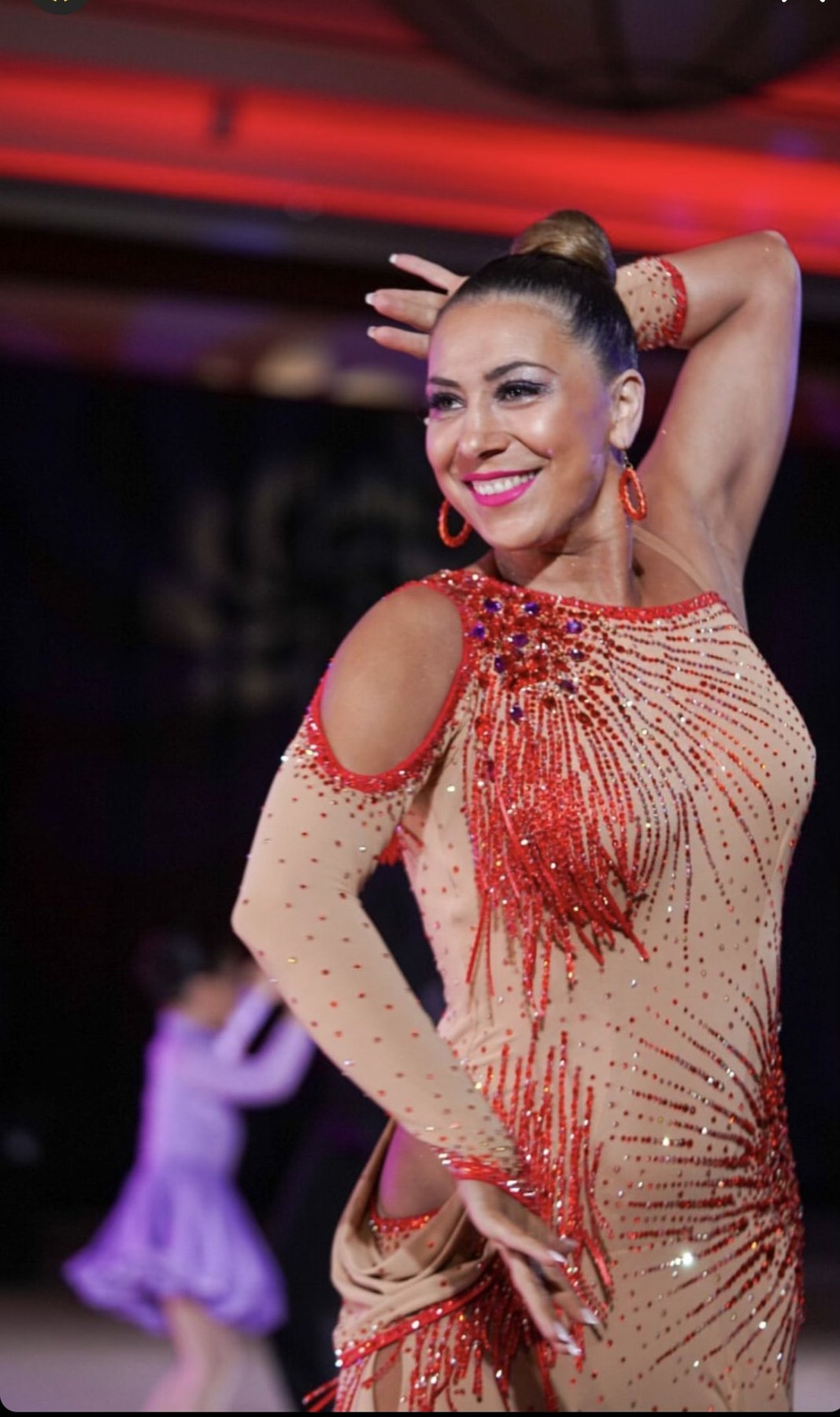
Jelena Stojkovic
Founder of AscenDance Studio. World Cup Champion, 14-time National Champion, International Winner, and Top Female Teacher in the USA nine years in a row, with more than 30 years in dance.
About Jelena →Book your first lesson
Private lessons in Addison, beginner Latin group classes in Dallas, and wedding first dance preparation.
14833 Inwood Rd
Addison, TX 75001
By appointment only
18484 Preston Rd #201
Dallas, TX 75252