
What to Wear to Your Wedding Dance Lessons: A Coach's Guide for Couples
Shoes, practice skirts, suits and the rehearsal in your real wedding outfit: what to wear to every stage of your wedding dance lessons, and why it matters.
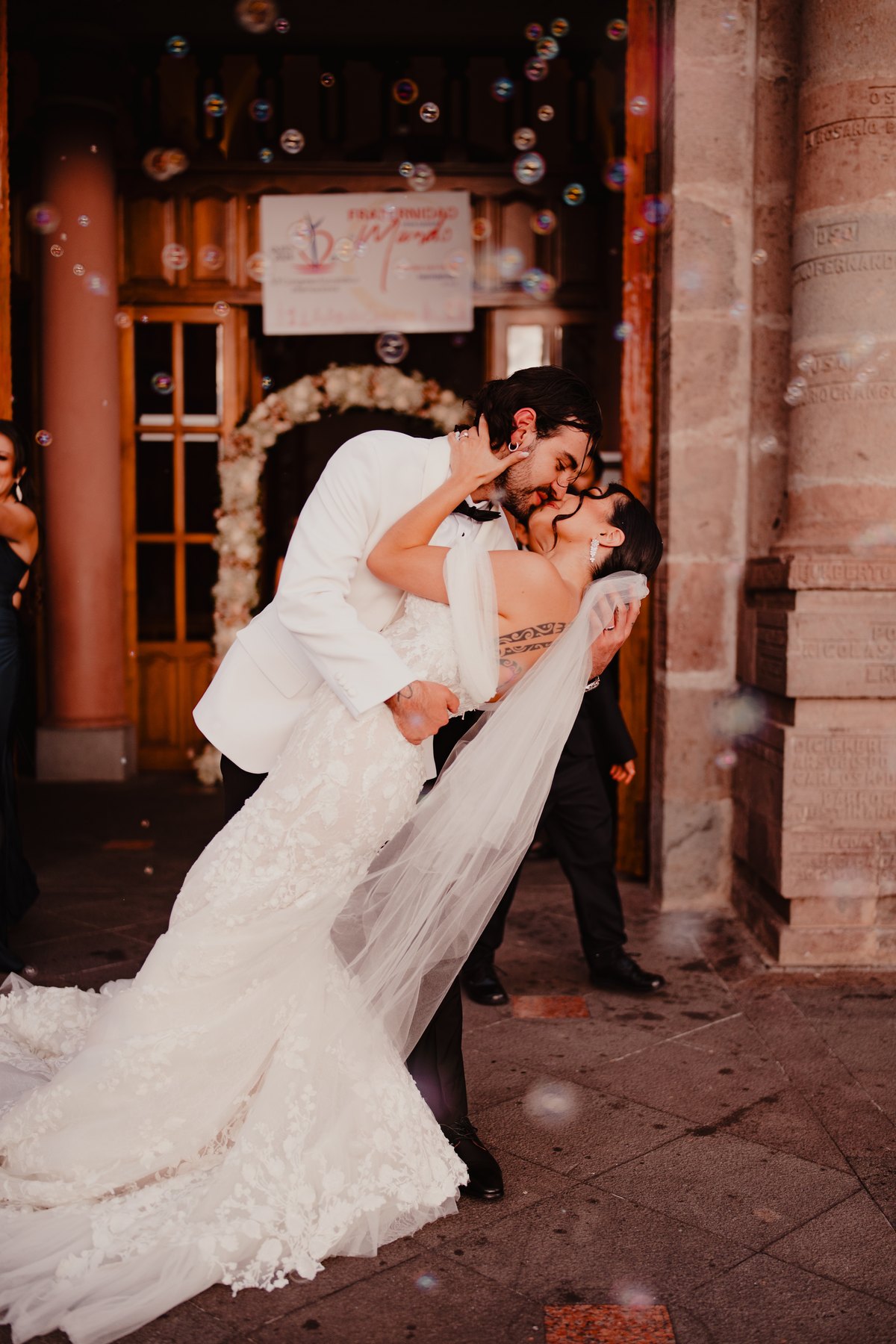
What to wear to your first lesson, your middle lessons and your final rehearsals, from the shoes up.
Almost every couple asks the same question when they book their first wedding dance lesson: "What should we wear?" It sounds like a small detail. It is not. What you wear to lessons decides how much your teacher can see, how quickly you learn, and whether your first dance still works when you are standing on the real floor in a real gown and a fitted suit.
The good news is that you do not need special dancewear. You need the right shoes, clothes you can move in, and a plan for when to start rehearsing in something close to your wedding outfit. This guide walks through all three, stage by stage.
The short answer
For your first lesson
- Shoes: a smooth-soled shoe with a heel height close to what you will wear at the wedding. No sneakers or rubber soles.
- Bride: a skirt or dress that falls around the knee or lower, or fitted pants you can bend in.
- Groom: comfortable trousers or chinos and a shirt you can lift your arms in.
- Bring: your song on your phone, water, and a hair tie if you have long hair.
For your last two or three lessons
- Your actual wedding shoes, or a pair with the same heel height and shape.
- A practice skirt as long and as full as your gown.
- A jacket similar in cut to the one the groom will wear.
Everything else in this article explains why, and how to handle the details that trip couples up.
Why your lesson outfit matters more than you think
There are two reasons, and they pull in different directions.
Early on, clothes should help your teacher see you. In the first lessons we are reading posture, where your weight is, how your knees bend and how your feet close. Very baggy clothing hides all of that and makes corrections slower. You are paying for your teacher's eyes, so give them something to look at.
Later, clothes should feel like the wedding. A long gown shortens your steps, a train changes how you turn, heels change your balance and a fitted jacket limits how high the groom can lift his arms. If the first time you dance in those conditions is at the reception, the routine you practiced for weeks can suddenly feel unfamiliar. The fix is simple: rehearse in conditions close to the real thing before the day.
Shoes come first
If you only change one thing before your first lesson, change your shoes. Shoes affect balance, turning and comfort more than any other piece of clothing.
Why not sneakers?
Rubber soles grip the floor. In a turn, the shoe sticks while your body keeps rotating, which strains ankles and knees and makes every spin feel clumsy. Ballroom movement needs a little glide. A leather or suede sole gives you enough grip to push off and enough slide to turn.
For the bride
- Match the heel height. Practicing in flats and then dancing in a three-inch heel changes your balance, your posture and the length of your steps. Practice in a heel close to the one you will wear.
- Match the shape. A block heel, a stiletto and a wedge all feel different. If you have not bought your wedding shoes yet, practice in the style you are leaning toward.
- Secure the heel. Slip-on mules and open-back shoes come off during turns. A strap around the ankle makes a big difference.
- Break them in. New shoes are stiff and slippery. Wearing them in the last lessons breaks them in and shows you whether they hurt after three minutes of dancing.
For the groom
- Dress shoes with leather soles are ideal. They are usually what you will wear at the wedding anyway.
- If your wedding shoes have rubber soles, tell your teacher. We can adjust turns, or you can have a cobbler add a suede patch to the sole.
- Avoid heavy boots unless you will actually wear them on the day.
A note on dance shoes
You do not need ballroom shoes for a wedding dance. Some couples buy them because they are comfortable and turn well, and a pair of ballroom shoes in white or ivory can double as reception shoes. It is a nice extra, not a requirement.
What the bride should wear
Early lessons
Wear a skirt or dress that moves, around knee length or longer, or fitted pants or leggings. A skirt is useful because it gives you feedback: you can feel when a turn is late because the fabric lags behind you. Avoid anything you need to keep adjusting, such as a top that slides off the shoulder or a skirt that rides up when you lift your arm.
Practice the gown, not just the steps
Your dress shape matters to the choreography, so tell your teacher about it at the first lesson. Bring a photo if you can.
- Ball gown: a full skirt hides your feet and takes up space. Partners stand slightly further apart, and the groom needs to watch where he steps.
- Mermaid or trumpet: fitted to the knee, which limits stride length and makes deep dips and big kicks difficult. Choreography uses smaller steps and more upper-body styling.
- A-line: the easiest shape to dance in. Most figures work without changes.
- Sheath or slip dress: easy to move in, but very fitted styles limit how far you can step back.
- A train: it must be bustled before the first dance, or turns will wrap it around your legs. Ask your seamstress about a bustle that holds up under movement, and test it before the wedding.
- A reception dress: if you plan to change after the ceremony, practice in something closer to the reception dress, since that is what you will dance in.
Use a practice skirt for the final rehearsals
For the last two or three lessons, wear a long practice skirt with a similar length and fullness to your gown. Inexpensive long skirts, or a petticoat over leggings, work well. This is where you discover that a turn needs an extra beat or that a dip needs the groom to step wider, while there is still time to adjust.
Should you wear the actual gown to a lesson? Usually not, because of the risk of damage and stains before the wedding. If your dress is finished early and you want one run-through in it, talk to your teacher and your seamstress first, and treat it carefully.
What the groom should wear
Early lessons
Comfortable trousers and a shirt. Avoid very loose sweatpants, which hide your knees, and very tight jeans, which make it harder to bend.
Final rehearsals
Wear a jacket close in cut to your wedding jacket. A fitted suit jacket restricts how high you can raise your left arm in hold and how freely you can turn your partner. If something feels tight in the lesson, you have two options: change the figure, or ask your tailor for a little more room in the shoulders and armholes.
Small details that matter
- Take your phone, keys and wallet out of your pockets before you dance. They swing and they show.
- Cufflinks, watches and boutonniere pins can catch on lace and veils. Check them before the first dance.
- If you will wear a vest or a tuxedo, practice at least once with the top button of your shirt done up.
A lesson-by-lesson plan for what to wear
Most couples take somewhere between four and eight lessons. Here is how we usually plan the outfit side of things. For the full lesson count, see How Many Dance Lessons Do You Need Before Your Wedding?
Lessons 1 and 2: learn the basics
Comfortable clothes, smooth-soled shoes with a similar heel height. The focus is posture, hold, timing and the basic step of the style that fits your song.
Middle lessons: build the routine
Keep the same comfortable setup, but bring the shoes you plan to wear if you already have them. This is when choreography takes shape, so it is the right time to tell your teacher about the gown shape, the train and the venue floor.
Final two or three lessons: dress rehearsal
Wedding shoes, a practice skirt that matches the gown, and a jacket like the wedding jacket. Run the full routine from the walk-in to the final pose several times. If something feels off, this is still the moment to fix it. For timing your lessons around the date, see When to Start Wedding Dance Lessons.
Think about the floor as well as the outfit
Your outfit meets the floor at the shoes, so ask your venue what you will be dancing on.
- Wooden dance floor: the easiest surface. Most shoes work.
- Tile or polished stone: can be slippery. Leather soles slide more than you expect; test your shoes on a similar surface.
- Carpet: grips the shoe. Turns need to be smaller and slower.
- Grass or outdoor decking: thin heels sink into grass and catch in gaps between boards. Block heels or heel protectors help, and the routine may need fewer turns.
Tell your teacher about the floor early. It is much easier to plan the right choreography from the start than to change it a week before the wedding.
The wedding-day problems we see most often
Almost all of these are clothing problems, and almost all of them can be prevented in lessons:
- a train that was not bustled, or a bustle that came loose after the ceremony
- a veil still attached during a dip or a turn
- a brand-new shoe that is slippery or slips off at the heel
- a jacket too tight to hold a proper frame
- beading or fringe catching on a cufflink or a jacket button
- a dress that is longer than expected once the bride is in her wedding shoes
A simple rule covers most of them: anything you will wear at the first dance should have been tested in at least one rehearsal.
What to bring to every lesson
- Your song, downloaded on your phone in case the Wi-Fi is weak
- The shoes you are practicing in
- Water
- A hair tie or clip for long hair
- For later lessons: the practice skirt and the jacket
- Any questions about your venue, your dress or your music edit
Frequently asked questions
Can we take wedding dance lessons in sneakers?
You can for a first conversation, but you will learn faster in smooth-soled shoes. Sneakers grip the floor and make turns harder and less safe.
Should I practice in my real wedding shoes?
Yes, for the last few lessons. It breaks the shoes in, shows you whether they are comfortable for a full song, and teaches your balance in them.
What if I change into flats for the reception?
Then practice the first dance in the shoes you will actually wear for the first dance. If you change before it, rehearse in the second pair.
Does the groom need dance shoes?
No. Leather-soled dress shoes work well. If his shoes have rubber soles, we adjust the turns or suggest a suede sole patch.
What if my dress is not ready yet?
That is normal. Tell us the shape and length, and we will use a practice skirt to simulate it. When the dress arrives, check that the final length works with your shoes.
Ready to start?
Our wedding dance lessons begin with a 45-minute intro lesson and consultation for $59 at our Addison studio, with World Cup Champion Jelena Stojkovic. Bring your song, your shoes and a photo of your dress, and we will plan the routine around all three. If you are still deciding on music, our father-daughter dance song list is a good place to look, and How Much Do Wedding Dance Lessons Cost? explains how lessons are priced. For general practice clothes, see What to Wear to Ballroom Practice.
AscenDance coach's tip: Take a photo of your shoes, your dress and your venue floor to the first lesson. Those three things shape your choreography more than any step you will learn.
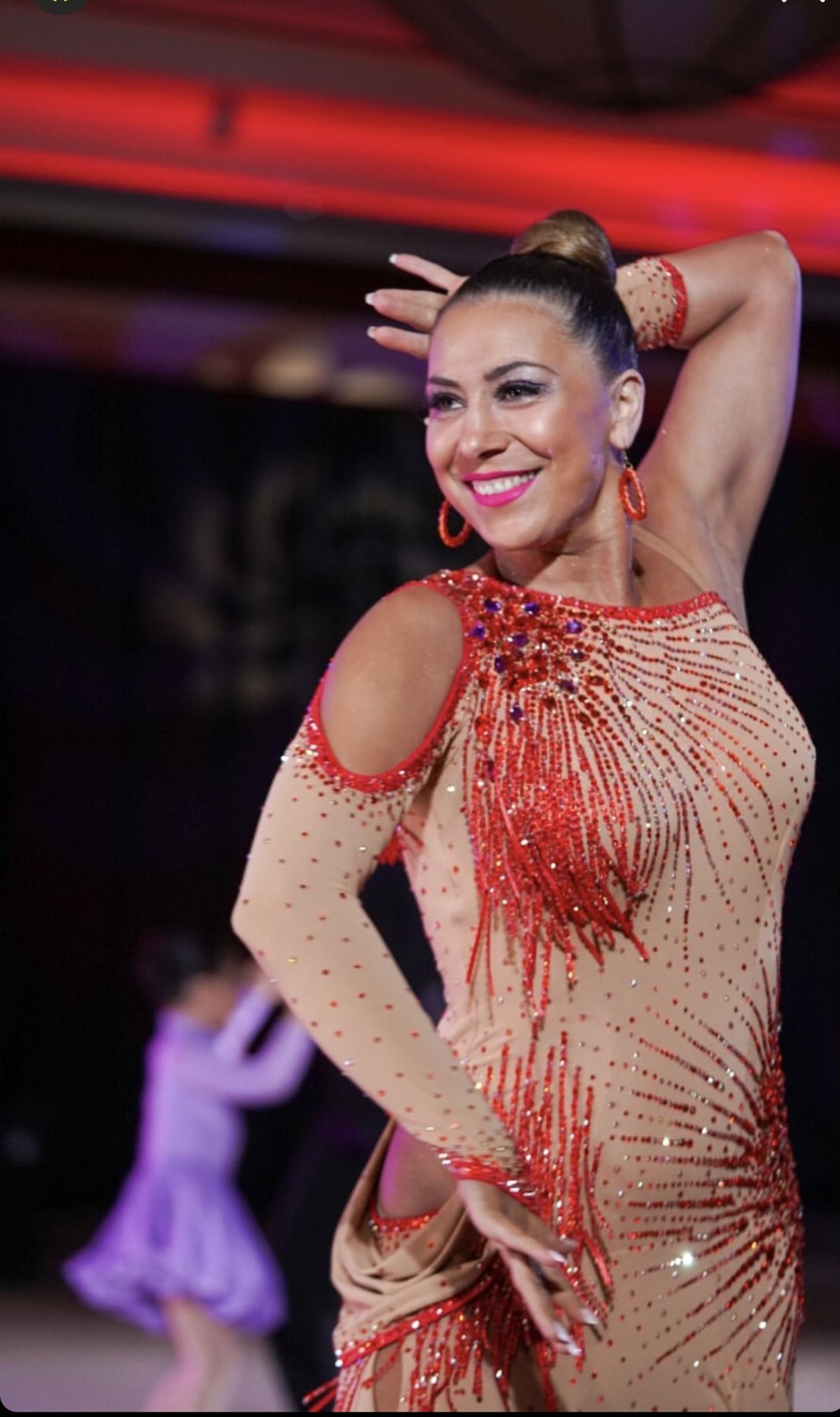
Jelena Stojkovic
Founder of AscenDance Studio. World Cup Champion, 14-time National Champion, International Winner, and Top Female Teacher in the USA nine years in a row, with more than 30 years in dance.
About Jelena →Book your first lesson
Private lessons in Addison, beginner Latin group classes in Dallas, and wedding first dance preparation.
14833 Inwood Rd
Addison, TX 75001
By appointment only
18484 Preston Rd #201
Dallas, TX 75252