
Why Can't I Learn to Dance Faster?
Feeling like you should learn to dance faster? Why progress slows before it speeds up, how long learning really takes, and practical ways to improve.
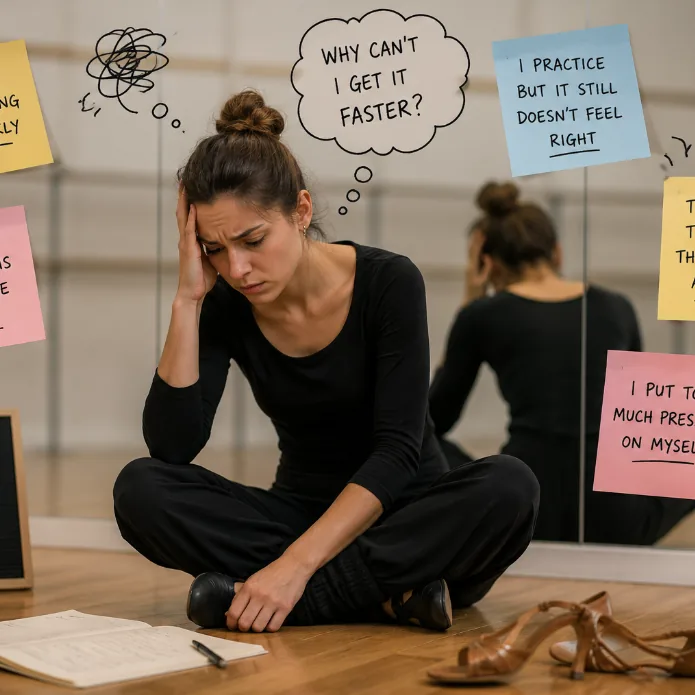
One of the most common frustrations new dancers experience is the feeling that they should be progressing faster. After a few lessons, many begin asking themselves:
- "Why am I still thinking about every step?"
- "Why can't I remember everything?"
- "Shouldn't this feel easier by now?"
The truth is that learning to dance involves much more than memorizing movements. Your brain, body, balance, rhythm, coordination, timing and awareness are all learning at the same time. Like any complex skill, that process takes time.
How long does it take to learn to dance?
There is no single number, but here is what we typically see with adult beginners in private lessons:
- A simple wedding first dance: four to six lessons (see How Many Dance Lessons Before Your Wedding)
- Dancing a basic social Salsa, Bachata or Swing: about three to six lessons
- Feeling comfortable leading or following several dances: usually a few months of regular lessons
- Competing at a beginner level: often a year or more of consistent training
These are averages, not deadlines. And as the rest of this article explains, the pace changes along the way.
Learning is not the same for everyone
One of the biggest misconceptions about learning is the belief that everyone progresses the same way.
- Some students understand concepts quickly but struggle to remember them later.
- Others take longer to understand at first, but once they do, it stays with them for a long time.
- Some remember patterns easily but need more time for their body to execute them naturally.
- Others move well immediately but struggle to explain what they are doing or apply it in a different situation.
All of these are normal. Learning to dance is not a single process. Understanding, memory, coordination, timing and execution all develop at the same time, often at different speeds.
Your brain learns before your body does
Understanding something and being able to do it are two different skills. A student may understand a pattern perfectly while watching it, and may even be able to explain it. The body still needs time to build the coordination to perform it naturally.
Learning to dance is not simply collecting information. It is teaching the body new habits, new responses and new ways of moving. That process cannot be rushed.
Seeing is not always understanding
Some students learn by observation. They watch an instructor, imitate the movement and can repeat it almost immediately. At first, this looks like fast learning.
But imitation is not always understanding. A dancer may copy a movement during a lesson, then struggle to repeat it later without a visual reference. The body remembers the image, but the mind has not fully understood the mechanics, timing or purpose behind the movement.
True learning happens when a student understands not only what to do, but also why. That is the difference between repeating a step and being able to dance it independently. It is also why adults often learn best when a teacher explains the reason behind each movement; we write more about this in Why Adults Learn Ballroom Dancing Differently.
Progress often slows before it accelerates
One of the hardest moments in learning to dance comes after the initial excitement fades.
In the beginning, everything feels new. Students learn basic steps, see quick improvements and feel motivated by visible progress. Then the material becomes more complex. Movements require greater coordination. Timing, balance, partnering, musicality and technique begin demanding more attention.
Many dancers read this as a sign they are not progressing. In reality, they are entering a deeper stage of learning. The foundation is becoming stronger, even if the results are not immediately visible.
When frustration becomes the obstacle
The longer something takes, the more tempting it becomes to force the process. Students start analyzing every movement, trying to remember every detail, and pressuring themselves to improve faster. Instead of letting the body learn, they begin fighting the learning process.
The more frustrated a dancer becomes, the more tension they create. The more tension they create, the harder it becomes to move naturally. What started as a learning challenge becomes a mental one.
Many dancers do not struggle because they are incapable. They struggle because they become impatient with a process that simply requires time.
Learning happens between lessons
One of the most overlooked parts of dance education is that progress does not happen only during the lesson. The brain keeps processing information long after the lesson ends. Movements become more familiar. Patterns organize themselves. Connections that seemed confusing one day often become clear a few days later.
That is why dancers sometimes feel stuck for weeks and then suddenly have a breakthrough. The improvement was happening all along, even when it was not visible.
Practical ways to learn a little faster
- Practice briefly and often. Ten to fifteen minutes a few times a week beats one long session.
- Record the lesson. A short video lets you practice the right version at home instead of guessing.
- Focus on one correction at a time. Trying to fix everything at once creates tension.
- Keep lessons regular. Weekly lessons build on each other; long gaps mean relearning.
- Wear the right shoes. A sole that grips too much makes every turn harder; see What to Wear to Ballroom Practice.
Remember to celebrate progress
One reason dancers get discouraged is that they focus on what they still cannot do rather than how far they have come.
A student who once struggled to find the beat now moves comfortably with the music. Someone who felt awkward holding a partner now dances a whole song without thinking about it. Another remembers patterns today that seemed impossible a few months earlier. Yet these accomplishments often go unnoticed, because the mind naturally jumps to the next challenge.
Growth feels slow when we only look at the distance still ahead. Sometimes the best way to recognize progress is to look back and remember where we started.
Final thoughts
Learning to dance is not a race. It is a process of developing skills that involve the mind, the body, memory, awareness and experience, and those skills rarely grow at the same speed.
There will be lessons that feel easy and lessons that feel difficult, moments of confidence and moments of frustration. Both are natural parts of the journey.
The dancers who succeed are not always the ones who learn fastest. More often, they are the ones who stay patient, remain curious, and keep showing up even when progress feels slow. Sometimes the progress we notice least is the progress that matters most.
If you want a clear plan for your goals and pace, start with a private coaching session with Jelena Stojkovic in Addison.
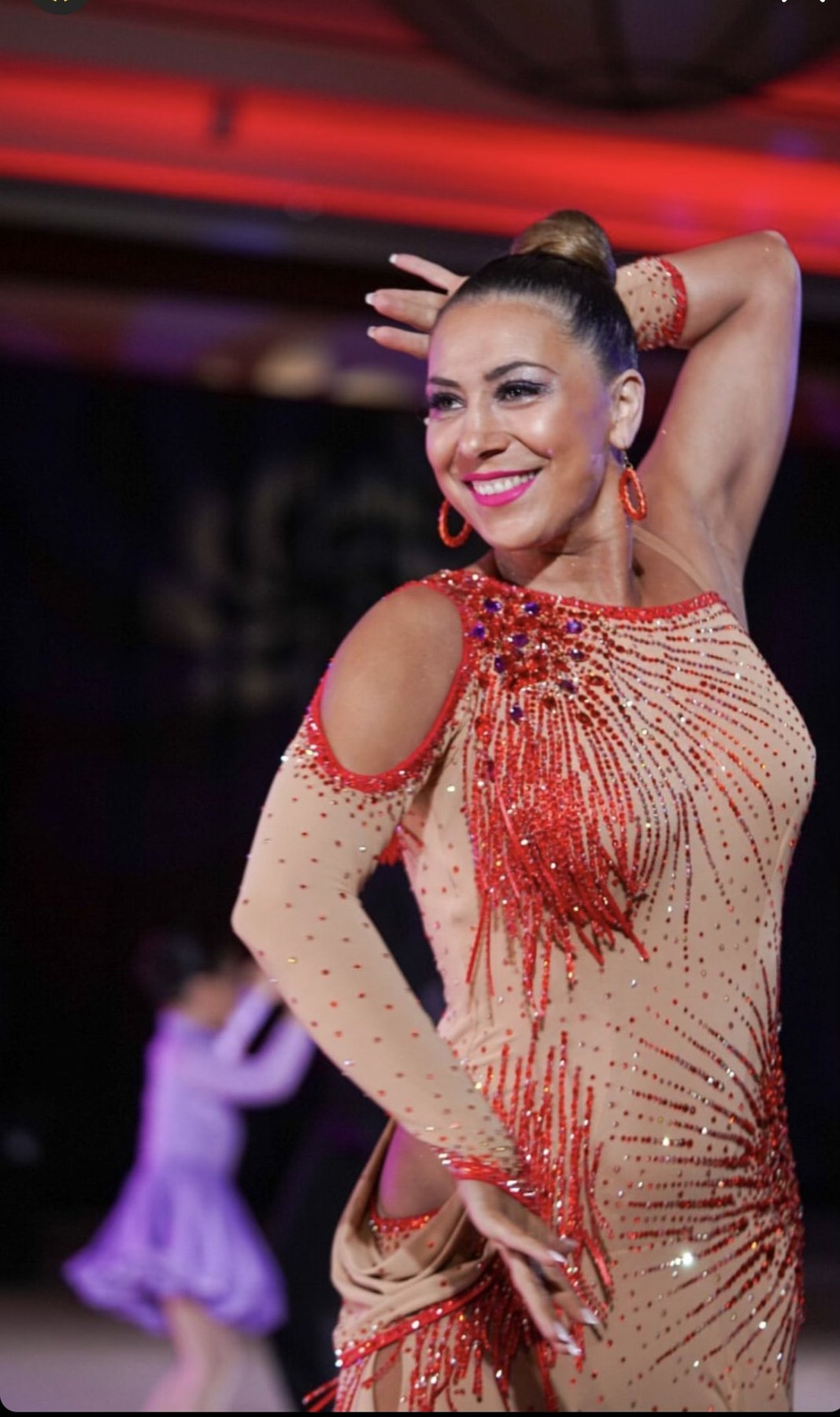
Jelena Stojkovic
Founder of AscenDance Studio. World Cup Champion, 14-time National Champion, International Winner, and Top Female Teacher in the USA nine years in a row, with more than 30 years in dance.
About Jelena →Book your first lesson
Private lessons in Addison, beginner Latin group classes in Dallas, and wedding first dance preparation.
14833 Inwood Rd
Addison, TX 75001
By appointment only
18484 Preston Rd #201
Dallas, TX 75252