
How Dance Supports a Child's Development
Dance supports a child's physical, cognitive, social and emotional development: coordination, focus, cooperation, responsibility and real confidence.
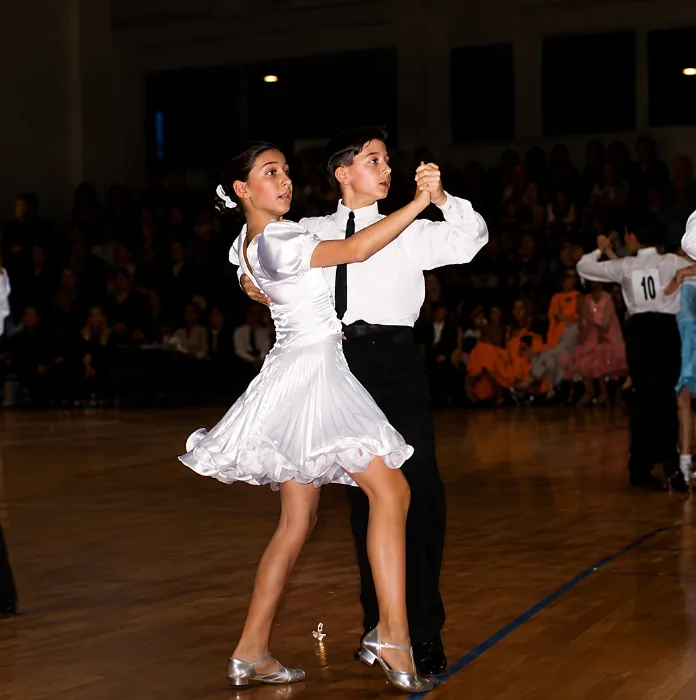
When parents enroll their children in dance lessons, they usually hope their child will learn coordination, rhythm and a few new skills along the way. What many discover is that dance offers much more than movement.
Childhood is a period of constant growth. At every stage, children are developing physically, emotionally, socially and cognitively. Activities that engage both the mind and the body play an important role in that process, and dance is uniquely positioned to support many areas of child development at the same time.
Early childhood: movement, rhythm and imagination
For younger children, movement is one of the primary ways they explore and understand the world around them.
Dance helps develop coordination, balance, body awareness and rhythm while encouraging creativity and imagination. Through music and movement, children learn how their bodies work in space, how to follow simple directions, and how to express themselves in new ways.
At this stage, learning feels like play, which allows children to build important foundations while enjoying the process.
Building focus and cognitive skills
As children grow, dance begins to challenge both the body and the mind.
Remembering patterns, recognizing musical timing, following instructions and adapting to new situations all require concentration. These experiences help strengthen attention, memory, problem-solving and the ability to process information.
Children are often learning without realizing it. While they think they are simply dancing, they are also developing skills that support learning at school and in many other areas of life.
Learning to work with others
Individuality is important, but learning how to work with others is equally valuable.
Partner dancing, like the ballroom and Latin dances in our youth ballroom program, teaches children how to communicate, cooperate and adapt. They learn that success is not always about individual achievement, but also about working together toward a shared goal.
Children begin to understand that listening, respecting others and contributing to a team are important parts of growth. These experiences build social skills that support friendships, school activities and future relationships.
Responsibility and personal growth
One of the most valuable lessons dance can offer a child is the understanding that growth is a process.
Not every skill appears immediately, and not every challenge is solved in a single lesson. Children gradually learn that progress comes from showing up, trying again and trusting the process.
Dance also gives children opportunities to take responsibility in ways that feel natural and age-appropriate. They learn that being prepared matters, that their partner is counting on them, and that their effort contributes to the success of the group.
Over time, responsibility becomes more than a rule. It becomes a habit. Children begin to understand that their actions, preparation and attitude all shape their own progress.
Confidence through experience
Confidence is often thought of as something children either have or do not have. In reality, confidence is built through experience.
Every time a child learns a new skill, overcomes a challenge, performs in front of others, or reaches a goal they once thought was difficult, they gain evidence that they are capable of growth. Dance provides many of these moments. Through consistent practice and encouragement, children learn to trust themselves, become more comfortable expressing who they are, and develop confidence that extends beyond the dance floor. We write more about this in How Ballroom Dancing Builds Confidence.
What dance develops at a glance
- Physical: coordination, balance, posture, rhythm and body awareness
- Cognitive: focus, memory, pattern recognition and following instructions
- Social: cooperation, communication and respect for a partner
- Emotional: confidence, resilience and comfort performing in front of others
- Character: responsibility, discipline and patience with the learning process
When is the right age to start?
There is no single right age. Younger children benefit most from the playful side of movement and rhythm. Older children and teens are ready for structured technique, partner work and, if they want it, performing or competing. What matters most is that the child enjoys it and has a teacher who knows how to work with young dancers.
Final thoughts
Childhood is shaped by the experiences that teach children how to grow. Dance offers one of those experiences. It gives children a place to move, listen, imagine, cooperate, take responsibility, and discover what consistent effort can create over time.
The value is not only in the steps they learn, but in the qualities they develop along the way: focus, confidence, discipline, creativity and respect for themselves and others.
Whether a child begins at five, ten or fifteen, dance can become more than an activity. It can become a foundation for growth that stays with them long after the music ends.
Our Youth Ballroom Program in the Dallas area is $175 per month and is led by World Cup Champion Jelena Stojkovic. Young dancers who want to compete can continue into DanceSport.
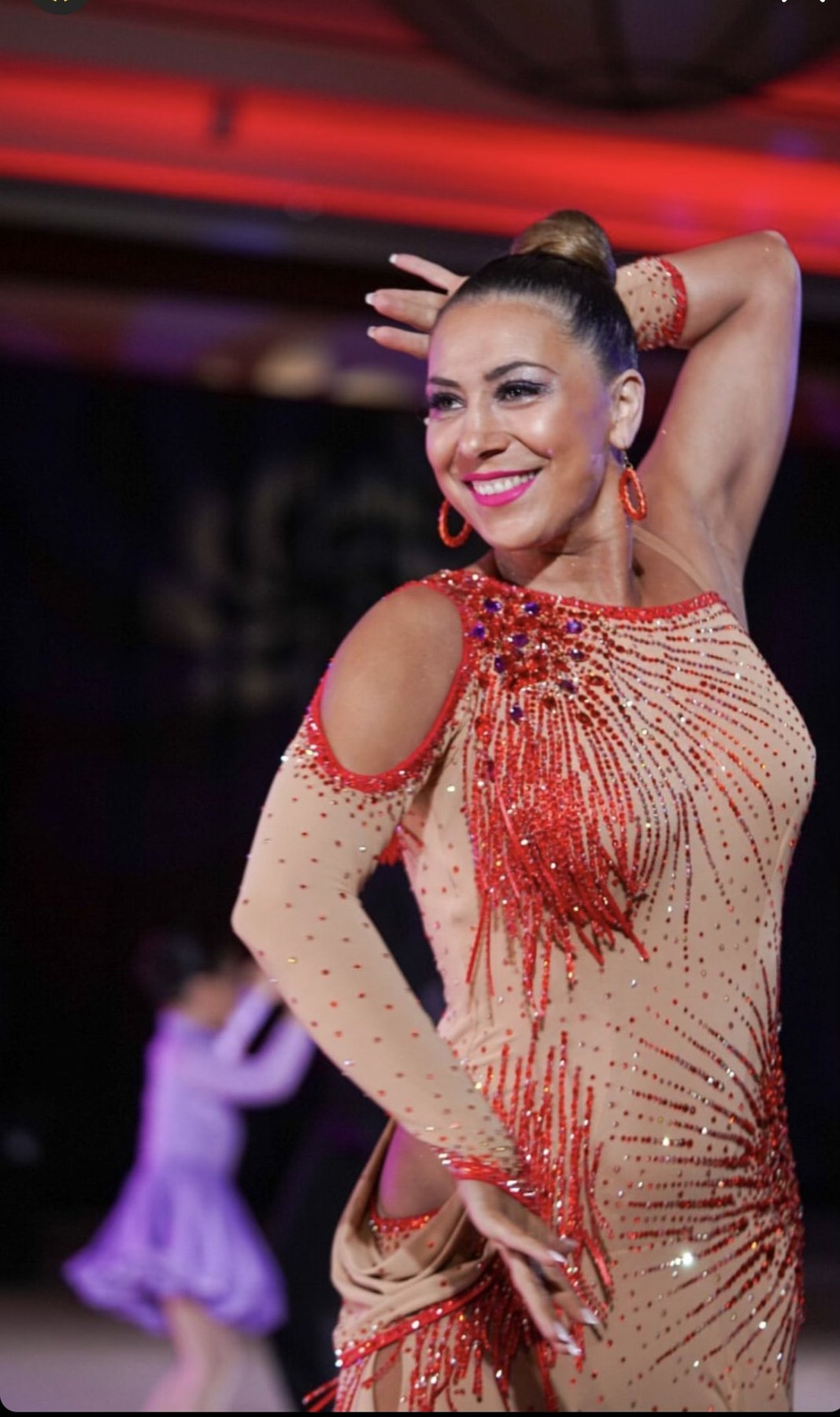
Jelena Stojkovic
Founder of AscenDance Studio. World Cup Champion, 14-time National Champion, International Winner, and Top Female Teacher in the USA nine years in a row, with more than 30 years in dance.
About Jelena →Book your first lesson
Private lessons in Addison, beginner Latin group classes in Dallas, and wedding first dance preparation.
14833 Inwood Rd
Addison, TX 75001
By appointment only
18484 Preston Rd #201
Dallas, TX 75252