
Ballroom Dancing: The Art of Manners We're Slowly Losing
Ballroom teaches more than steps: acknowledging a partner, leading without controlling, consideration, presentation and manners that carry into everyday life.
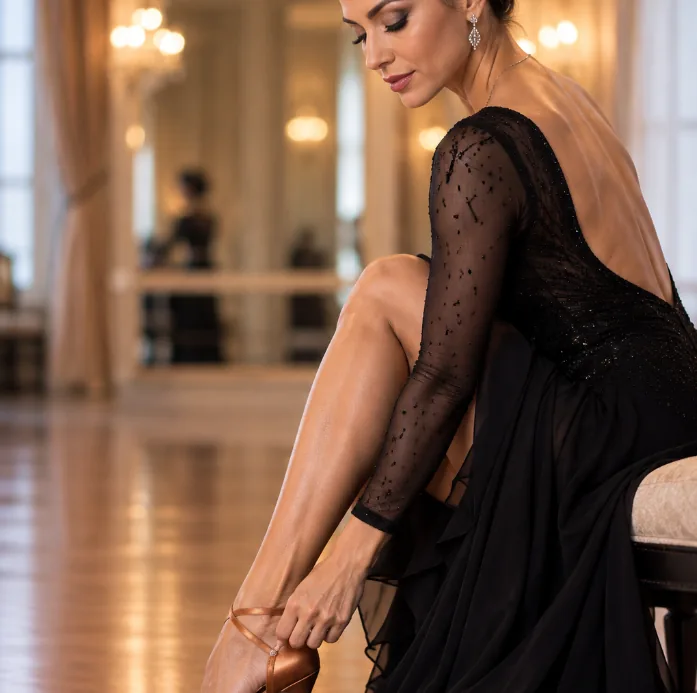
Why the most old-fashioned activity in the room might be the most relevant thing you do all week.
When people picture ballroom dancing, they picture beautiful dresses, elegant movement, music and competitions, couples gliding effortlessly across a floor. But ballroom teaches something we rarely talk about anymore: manners.
Not just formal etiquette or knowing how to behave at a fancy event. Ballroom dance etiquette teaches awareness: how you approach another person, how you communicate, how you present yourself, and how your behavior affects the person standing in front of you. In a world where so much communication happens through screens, there is something surprisingly relevant about that.
You have to acknowledge another person
Ballroom dancing begins before the first step. There is an invitation, an acknowledgment, an offered hand, eye contact: a moment when two people agree to share the floor. It may seem small, but it establishes something important. The person in front of you matters.
Once you begin dancing, you cannot think only about yourself. You start asking:
- Where is your partner?
- Are they comfortable?
- Are you giving them enough space?
- Are you communicating clearly?
- Are you listening to what they are communicating back?
Ballroom makes you aware of another human being while you stay responsible for yourself. That is a social skill, not just a dance skill.
Leading is not about controlling someone
Outside of ballroom, "lead and follow" is often misunderstood. People assume one person controls while the other obeys. Good ballroom dancing does not work that way.
A leader has to make an intention clear without forcing a partner through the movement, understanding timing, direction, space and the other person's ability. A follower is not simply waiting to be moved. Following takes awareness, balance, timing, sensitivity and the ability to interpret information almost instantly.
When both people understand their roles, very little needs to be said. Two people start communicating through movement alone.
Ballroom teaches consideration
You quickly discover that being technically correct is not enough. You can know every step and still be unpleasant to dance with. You can also know very few steps and make your partner feel completely comfortable. The difference is consideration. You learn:
- not to pull someone
- not to push them
- not to blame your partner every time something goes wrong
- to adjust to another person's level and movement
And you start asking a better question. Not "Why didn't they follow me?" but "Did I communicate clearly enough?" That lesson goes a lot further than the dance floor.
Presentation is part of ballroom culture
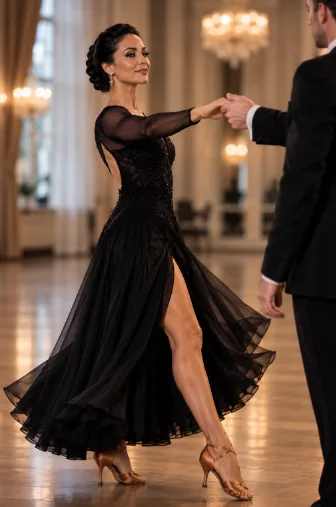
There is another side of ballroom that can look superficial from the outside: presentation. The dresses, the suits, the shoes, the hair, the posture.
But presentation in ballroom is not about looking expensive or glamorous. It is about understanding that how you present yourself communicates something. Ballroom makes you conscious of how you stand, how you walk, how you enter a room, how you hold your head, and how you dress for an occasion.
You do not need a competition gown to feel this. Even a regular lesson starts changing your posture and body awareness, and eventually you may notice yourself standing differently even when you are not dancing. For the practical side, see What to Wear to Ballroom Practice and What It Really Takes to Create the Ballroom Look.
Why ballroom has always been tied to elegance
Ballroom grew out of European social environments with established rules of conduct. By the 18th and 19th centuries, ballroom etiquette was taken extremely seriously. Every gesture, from a bow to a curtsy, was carefully considered, because how a person carried themselves signaled their standing to everyone in the room. Dance manuals of the era often covered history, general manners and the dances themselves together, because moving with refinement was seen as the mark of a cultured person.
Not everything about that era needs preserving. But some principles have aged remarkably well: courtesy, respect, consideration, personal presentation and awareness of another person. Those are not outdated ideas. If anything, they may be more valuable now than ever.
The modern ballroom world has changed enormously, but those principles still sit underneath the technique:
- When an instructor corrects your frame, they are teaching technique.
- When they say "don't drag your partner through a turn", they are teaching partnership.
- When they show you how to offer your hand or finish a dance, they are teaching etiquette.
- When they correct how you stand, they are teaching physical presentation.
And then you take it home with you
This might be one of the most interesting things about learning ballroom. Eventually, some of those behaviors stop belonging only to the studio. You may become:
- more comfortable making eye contact
- more aware of another person's space
- more confident walking into a room
- more conscious of your posture
- more thoughtful about how you present yourself
- less defensive when something does not go right
Ballroom does not magically transform someone's personality. But it gives you a place to practice these things again and again. Every lesson is a small exercise in communication, awareness, confidence, presentation and respect. For children, this is one of the most valuable parts of learning to dance; see The Hidden Lessons Children Learn Through Ballroom Dance.
The takeaway
You may walk into a ballroom studio because you want to learn how to dance. But you end up learning something else too: how to stand in front of another person, communicate with them, respect their space, present yourself, and move through the world with a little more awareness.
Ballroom teaches your feet. But if you stay with it long enough, it also changes the way you carry yourself.
Experience it for yourself with private lessons in Addison, our beginner Latin group classes in Dallas, or our youth ballroom program.
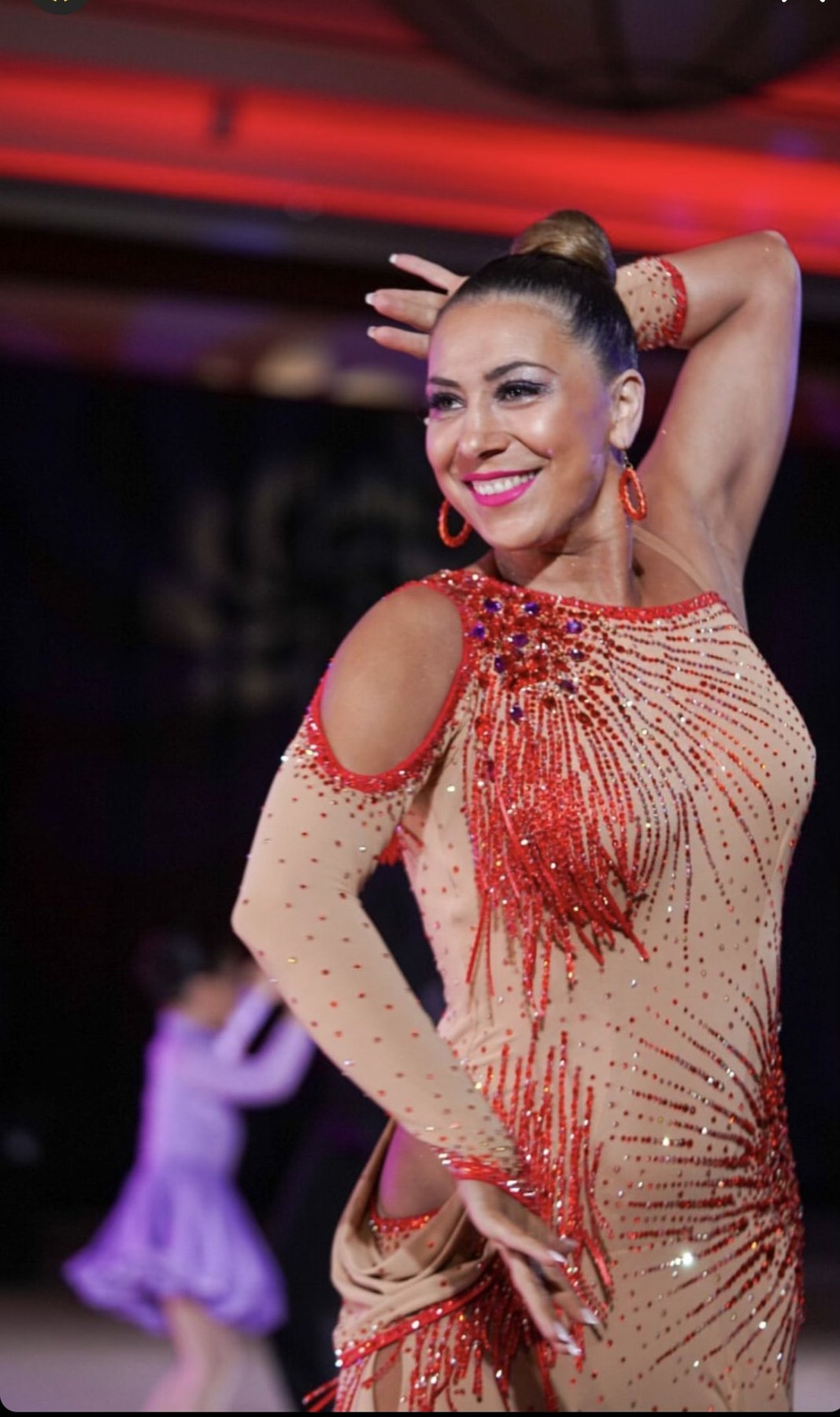
Jelena Stojkovic
Founder of AscenDance Studio. World Cup Champion, 14-time National Champion, International Winner, and Top Female Teacher in the USA nine years in a row, with more than 30 years in dance.
About Jelena →Book your first lesson
Private lessons in Addison, beginner Latin group classes in Dallas, and wedding first dance preparation.
14833 Inwood Rd
Addison, TX 75001
By appointment only
18484 Preston Rd #201
Dallas, TX 75252