
Is Ballroom Dancing Good Exercise? The Real Health Benefits
Ballroom dancing builds stamina, strength, balance and coordination while staying low impact. What kind of workout each style gives you, and how soon you will notice a difference.
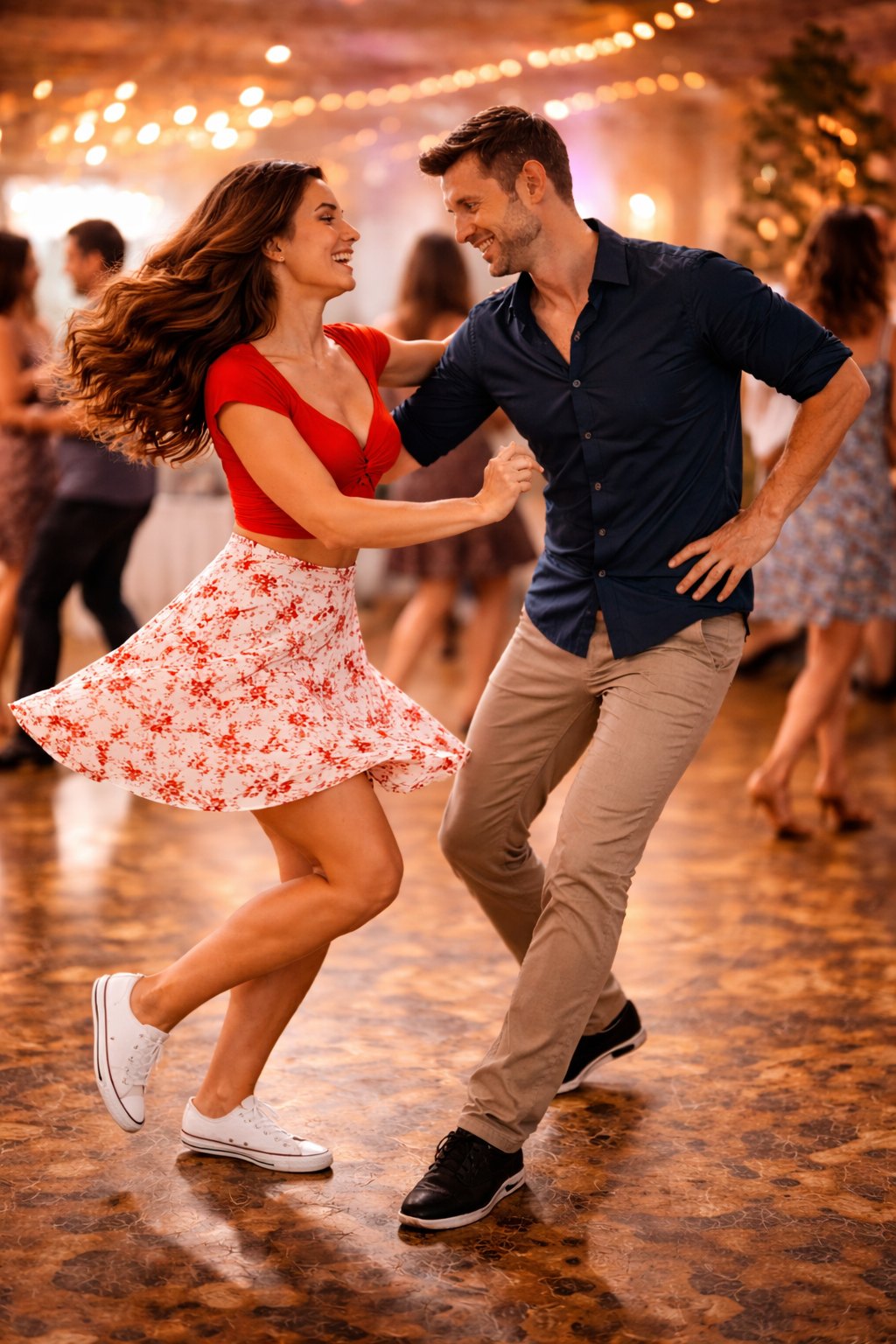
Most people who ask whether ballroom dancing is good exercise are really asking something else: will I get a workout without feeling like I am working out? For most adults, the honest answer is yes. Ballroom and Latin dancing build stamina, strength, balance and coordination, and they do it in a way people actually stick with.
This article covers what kind of exercise ballroom dancing is, how the different styles compare, and what to expect if you are starting from zero.
What kind of exercise is it?
Ballroom dancing is a mix of aerobic activity, muscular endurance and balance training. How hard it is depends almost entirely on the style and the pace.
- Slower dances such as Waltz, Foxtrot and Rumba are closer to brisk walking. Easy to start, but surprisingly demanding on the legs, core and posture once you dance them properly.
- Faster dances such as Cha Cha, Salsa and Swing raise the heart rate quickly. A few songs in a row feel very different from a stroll.
- Competitive dancing is athletic by any standard. A ninety-second competition round at full intensity is closer to a sprint.
U.S. physical activity guidelines recommend that adults get at least 150 minutes of moderate aerobic activity a week, plus muscle-strengthening and balance work. A couple of hour-long dance sessions a week cover a good part of that, and they also train balance, which most gym routines ignore.
The physical benefits
Stamina
Dancing several songs back to back keeps the heart working steadily. Students who start out winded after two dances usually notice a clear difference within a month or two of regular lessons.
Leg and core strength
Ballroom technique is built on controlled weight transfer: lowering, rising, pushing from the standing leg and holding a stable frame. That works the calves, thighs, glutes and core continuously, without heavy loads.
Balance and posture
Every step involves shifting weight cleanly from one foot to the other, often while turning and staying connected to a partner. Over time that builds balance and body awareness. Posture changes too. Dancers learn to stand tall without stiffness, and many students notice they carry themselves differently outside the studio.
Coordination
Dancing asks the body to do several things at once: follow the rhythm, move the feet, keep the frame, and respond to a partner. That kind of coordination is hard to train any other way.
The benefits that are not physical
Dancing also works the mind. Learning patterns, remembering sequences and reacting to a partner in real time keep the brain engaged in a way a treadmill does not. We write about this in more detail in Why Ballroom Dance Is One of the Best Exercises for Your Brain.
It is also social. Group classes and social dance nights give people a reason to show up every week, and consistency is the part of exercise most people struggle with. A workout you look forward to is a workout you keep doing.
Is it hard on the body?
For most people, no. Ballroom dancing is low impact: there is no running or jumping in most styles, and the movement is smooth rather than jarring. That makes it a good option for adults returning to exercise, people who find the gym boring, and couples who want an activity to do together.
A few practical notes:
- Start with slower dances if you are new to exercise, then add faster styles as stamina improves.
- Wear proper shoes. Dance shoes with suede soles let you turn without twisting the knee. Street shoes with rubber soles grip the floor and can strain joints.
- Talk to your doctor first if you have heart, joint or balance concerns. Most people can dance at some level, and your instructor can adapt the pace.
See What to Wear to Ballroom Practice for more on shoes and clothing.
How long until you notice a difference?
With one or two sessions a week, most adult students notice better stamina and balance within four to eight weeks. Posture and confidence often change sooner, because good technique asks for them from the very first lesson.
Progress depends more on consistency than intensity. Two relaxed sessions every week for three months will do more than an intense month followed by a long break.
Group classes or private lessons for fitness?
- Group classes are the easiest way to build a weekly habit. Our beginner Latin group classes in Dallas teach Rumba and Cha Cha from $25, with no partner needed.
- Private lessons give you more time actually moving and a pace set for your fitness level. See private dance lessons.
Not sure which suits you? Read Private vs Group Dance Lessons.
Final thoughts
Ballroom dancing is real exercise. It builds stamina, strength, balance and coordination, it is gentle on the joints, and it keeps the mind busy too. Most importantly, people enjoy it, which makes it one of the few forms of exercise adults stay with for years.
If you are looking for a way to move more that does not feel like a chore, start with a $59 introductory session with Jelena Stojkovic at our Addison studio, or join a group class in Dallas.
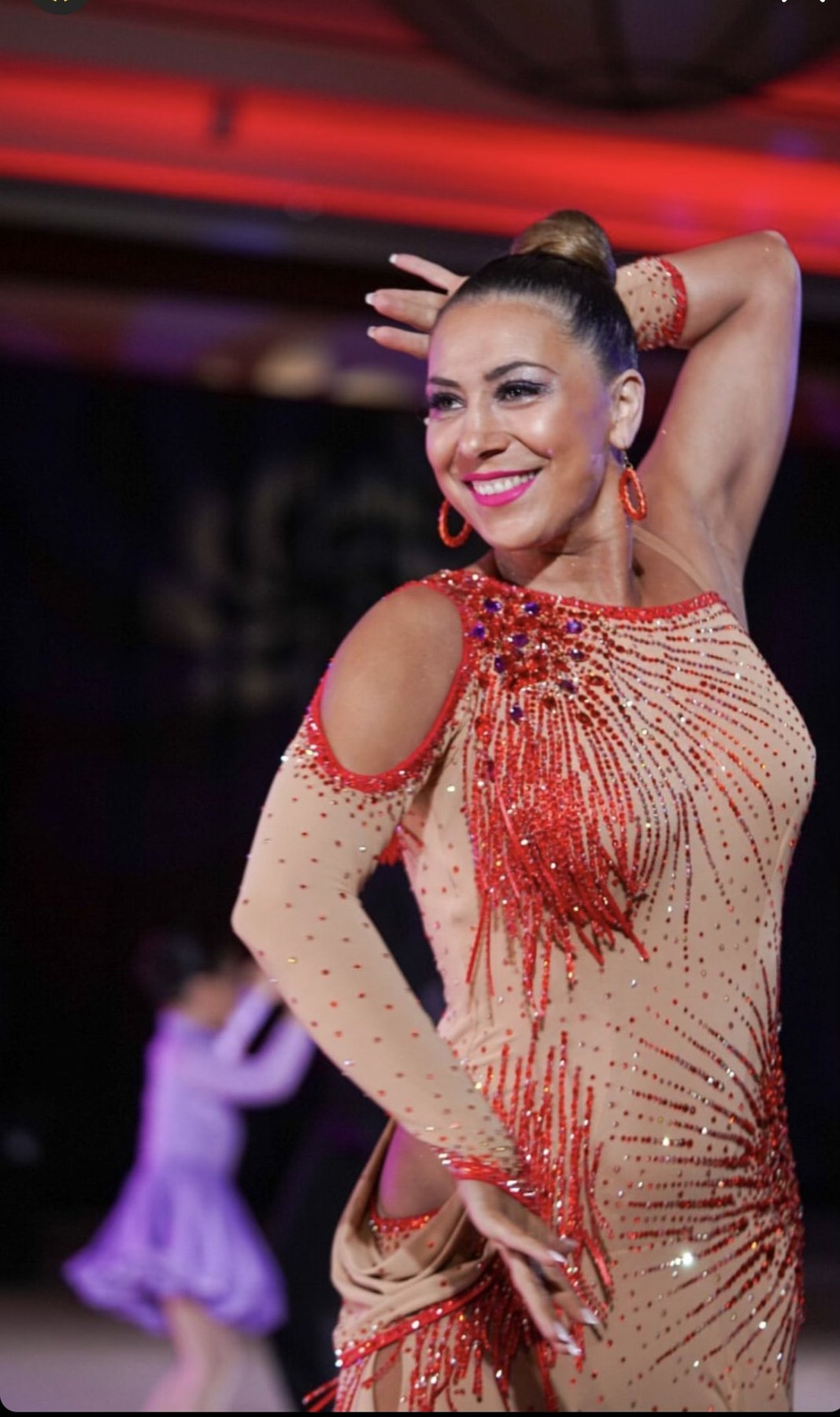
Jelena Stojkovic
Founder of AscenDance Studio. World Cup Champion, 14-time National Champion, International Winner, and Top Female Teacher in the USA nine years in a row, with more than 30 years in dance.
About Jelena →Book your first lesson
Private lessons in Addison, beginner Latin group classes in Dallas, and wedding first dance preparation.
14833 Inwood Rd
Addison, TX 75001
By appointment only
18484 Preston Rd #201
Dallas, TX 75252