Ballroom Dancing for Complete Beginners: What to Expect at Your First Class
Never danced before? What really happens at your first ballroom lesson, private or group, what you will learn first, and how quickly adult beginners improve.
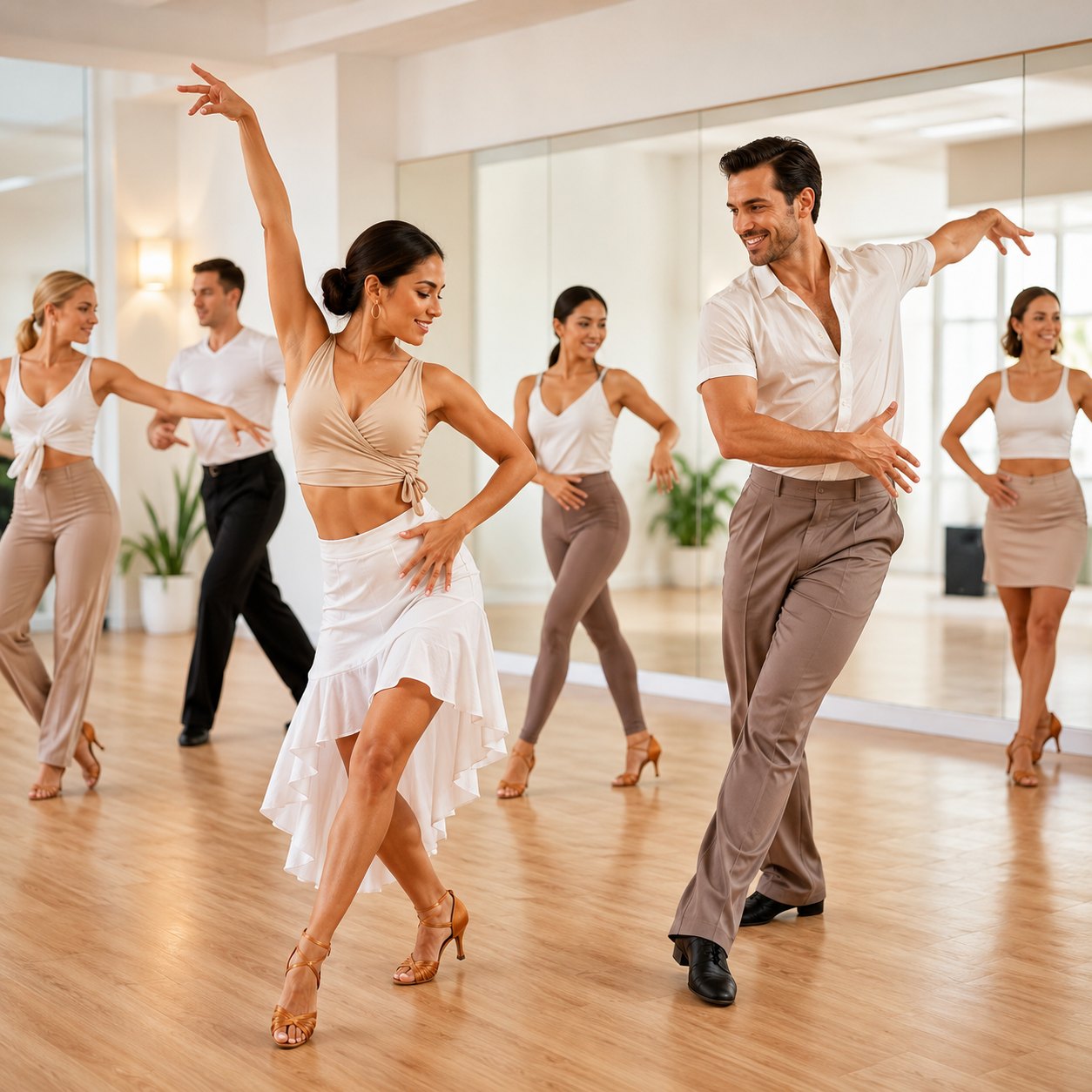
Everything a complete beginner needs to know before the first lesson, from what to wear to what you will actually learn in the first hour.
If you are reading this, you are probably thinking about taking your first ballroom lesson and wondering what it will be like. Maybe you have never danced before. Maybe you danced as a child and stopped. Maybe your partner booked the lesson and you are the nervous one.
Here is the most important thing to know: almost every student we teach started exactly where you are. No experience, no partner, not sure they had any rhythm. The first lesson is designed for people like you, and most people walk out of it surprised by how much they could do.
This guide explains what happens before, during and after your first class, so you can walk in relaxed instead of worried.
Before your first class
Choose private or group
There are two ways to start, and both work.
- A private lesson is one-on-one with a teacher. Everything is built around you: your goals, your pace, your questions. It is the fastest way to learn and the easiest way to start if you feel shy. At AscenDance Studio, the first step is a $59 introductory coaching session with Jelena Stojkovic at our Addison studio.
- A group class is a class with other beginners. It is social, affordable and a great way to meet people. Our beginner Latin group classes in Dallas teach Rumba and Cha Cha, cost $25 per class, and you do not need a partner.
Not sure which suits you? Read Private vs Group Dance Lessons.
Do you need a partner?
No. In a private lesson you dance with your teacher. In a group class, partners rotate, so everyone dances with everyone. If you do have a partner, you are welcome to come together.
What to wear
- clothes you can move in, fitted enough that your teacher can see your posture and legs
- shoes with a smooth sole, such as leather-soled flats or dress shoes; avoid sneakers, because rubber soles grip the floor and make turns harder
- no long necklaces or big hoop earrings that can catch during a hold
You do not need dance shoes or dancewear for your first lesson. For more detail, see What to Wear to Ballroom Practice.
Arrive a few minutes early
Give yourself a few minutes to find the studio, change your shoes and take a breath. Bring water. If you have an injury or a health limitation, tell your teacher at the start.
What happens in a first private lesson
Every teacher is a little different, but a good first private lesson usually follows this shape.
1. A short conversation
Your teacher will ask why you want to dance. A wedding? Fitness? Confidence? A social night out? A dream of competing one day? Your answer decides which dance you start with and how the lessons are planned.
2. Posture
You will learn how to stand: tall, relaxed shoulders, weight over the balls of your feet. It sounds simple, but posture is the foundation of every ballroom dance and changes how you look immediately.
3. Timing
Next comes the music. Your teacher will help you hear the beat and count it. If you think you have no rhythm, this is where you will discover that hearing the beat is a skill you can learn, not a gift you are born with. We write more about this in Dance Is Not a Talent. It Is a Human Skill.
4. Your first basic step
You will learn the basic step of one dance, first on your own, then with your teacher. You will repeat it until it starts to feel natural.
5. Dancing in hold
Then you will learn the hold, also called the frame, and dance the basic step together. This is where you start to feel what leading and following mean.
6. A short pattern to music
By the end of a first lesson, most beginners can dance a short pattern to real music. It will not be perfect. It will be dancing.
7. A plan
Finally, your teacher should tell you what comes next: which dance to focus on, how often to come, and what to practice at home.
What happens in a first group class
Group classes for beginners follow a similar path, with more people.
- Warm-up: a few minutes of light movement to the music.
- The basic step: taught slowly, on your own, with everyone facing the mirror.
- Partner practice: dancing the basic with a partner, then rotating so you dance with several people.
- A short pattern: adding a turn or a simple figure.
- Dancing to music: putting it all together at the end of class.
Partner rotation can feel awkward at first, but it is one of the best ways to learn. Every partner feels a little different, which teaches you to lead or follow anyone, not just one person.
The first ten minutes feel strange, and that is normal
Almost every beginner feels self-conscious at the start: in front of a mirror, holding a stranger, counting out loud. That feeling fades quickly. By the middle of the lesson most people are concentrating too hard on the steps to worry about how they look. By the end, most are smiling.
Your teacher has seen hundreds of first lessons. Nothing you do will surprise them, and nobody expects you to be good yet.
What you will learn first
Whatever dance you start with, the early lessons build the same five foundations:
- Posture: standing tall without stiffness.
- Frame: the shape of your arms and upper body in hold, which connects you to your partner.
- Weight transfer: moving your weight fully from one foot to the other, which makes steps clean.
- Timing: stepping on the right beat of the music.
- Lead and follow: communicating through the frame, so the couple moves together.
These five skills carry over to every dance you learn later. That is why your second dance is always easier than your first.
Which dance should you start with?
Your goals decide.
- For social dancing and nights out: Salsa and Bachata.
- For a group class start: Rumba and Cha Cha, which are taught in our beginner Latin group classes.
- For weddings and galas: Waltz, Foxtrot or Swing, depending on the song.
- Not sure: tell your teacher what music you like and let them choose.
See all the dance styles we teach.
Common beginner worries, answered
"I have no rhythm."
Rhythm is trained. We start with counting and listening exercises before any figures, and most students find the beat within a few sessions.
"I have two left feet."
Coordination improves with repetition, like any physical skill. Everyone looks clumsy at the start, including people who later become very good dancers.
"I don't have a partner."
You do not need one. In private lessons you dance with your teacher, and in group classes partners rotate.
"I'm too old."
Adults of every age start ballroom dancing. Adults often learn differently from children, with more understanding and less instinct, and that is an advantage. Read Why Adults Learn Ballroom Dancing Differently.
"I'll feel silly."
For about ten minutes, probably. Then you will be too busy dancing. Many students say the confidence they build in the studio carries into the rest of their lives; see How Ballroom Dancing Builds Confidence.
"I'm not fit enough."
Beginner lessons are gentle, and fitness improves as you dance. Tell your teacher about any limitations so the lesson can be adjusted. See Is Ballroom Dancing Good Exercise?
A little studio etiquette
- Arrive on time and switch your phone to silent.
- Fresh breath and fresh clothes make partner dancing more pleasant for everyone.
- In group classes, greet each new partner and thank them when you rotate.
- Leave the teaching to the teacher. If something is not working, ask them rather than correcting your partner.
- Ask questions. There are no silly ones in a beginner class.
After your first class
How fast will you improve?
To feel comfortable dancing one or two styles at a wedding or a party, most adults need somewhere between six and twelve lessons. To dance socially across several styles, think in months. Progress is rarely a straight line; some weeks it clicks, some weeks it feels slow. That is normal. Read Why Can't I Learn to Dance Faster? for what really drives progress.
Practice a little at home
Ten minutes of practice between lessons makes a real difference. Put on music, find the beat and walk through your basic step. You do not need a partner or a big space.
Your first month
- Lesson 1: posture, timing and your first basic step.
- Lesson 2: the basic in hold, plus one turn or simple figure.
- Lesson 3: a short pattern you can repeat to music.
- Lesson 4: dancing the pattern with more confidence, and perhaps starting a second dance.
By the end of the first month, most beginners can dance a simple routine to a full song. That is usually the moment people realize they really can learn to dance.
How to choose where to start
A good first studio has qualified teachers, a clear structure for beginners and an atmosphere where you feel welcome asking questions. If you are comparing options, our guide How to Choose a Dance Studio in Dallas lists what to look for.
Take your first lesson
At AscenDance Studio you can start in two ways. Book a $59 introductory coaching session with World Cup Champion Jelena Stojkovic at our Addison studio through our private dance lessons page, or join a beginner Latin group class in Dallas for $25. Either way, you will leave your first class dancing.
AscenDance coach's tip: Do not wait until you feel ready. Nobody feels ready before their first lesson. You become ready by taking it.
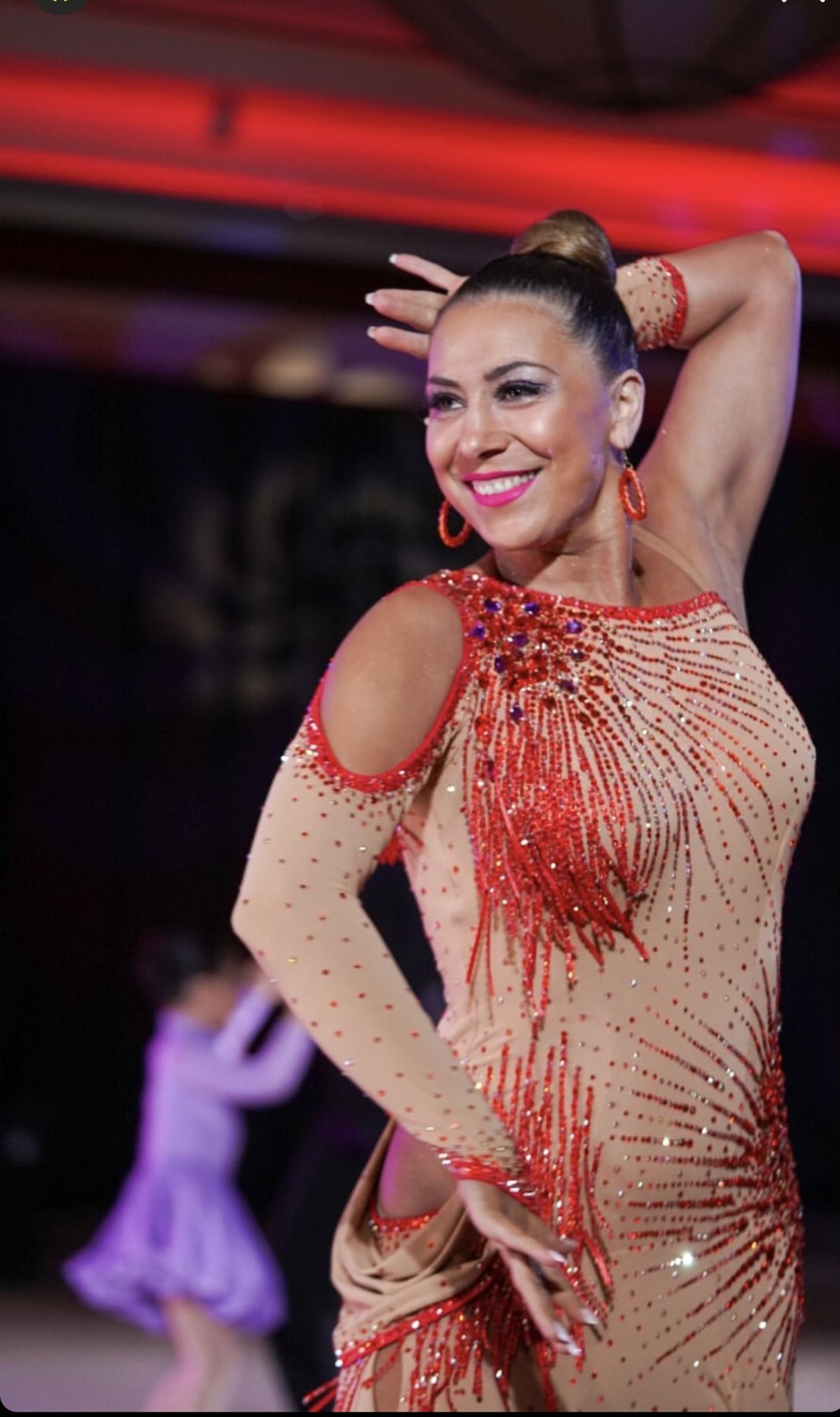
Jelena Stojkovic
Founder of AscenDance Studio. World Cup Champion, 14-time National Champion, International Winner, and Top Female Teacher in the USA nine years in a row, with more than 30 years in dance.
About Jelena →Book your first lesson
Private lessons in Addison, beginner Latin group classes in Dallas, and wedding first dance preparation.
14833 Inwood Rd
Addison, TX 75001
By appointment only
18484 Preston Rd #201
Dallas, TX 75252